---blog Title---
How to Use Customer Data to Personalize the Customer Experience
---desktop---

---mobile---

Personalization is all about understanding what customers actually do and delivering what they truly want. The more businesses align experiences with real customer behavior, the more relevant and engaging those experiences become.
---outlined-cta--- Download Guide: How to Use Gen AI to Improve Customer Experience
Take dating apps, for example. Most match users based on input data like favorite movie genres, ideal date spots, or personality traits. But stated preferences don't always reflect real interests. A better approach would be to match people based on shared experiences, movies they've actually watched, restaurants they've visited, places they've explored, or hobbies they actively enjoy. By focusing on real-life behaviors rather than just stated interests, personalization becomes deeper and more meaningful.
The same principle applies across industries. Retailers that recommend products based on browsing and purchase history, streaming platforms that suggest content based on watch patterns, and financial services that offer tailored solutions based on spending habits all are examples of behavioral personalization done right.
Let's dive into the key elements of delivering personalized CX and how to achieve it.
What is Personalized Customer Experience?
Personalized customer experience is about customizing every interaction a customer has with a brand based on their individual data, preferences, behaviors, and needs. It involves leveraging technology, analytics, and automation to deliver relevant content, recommendations, and services at the right time through the right channels.
By analyzing customer behavior, purchase history, demographics, and real-time interactions, brands can predict what a customer might need next and provide relevant recommendations, exclusive offers, or proactive support. Simply put, personalized CX is about anticipating needs rather than just responding to them. AI and machine learning play a crucial role in refining these experiences, enabling businesses to adapt in real time to customer actions and preferences.
How Gen-AI can enhance your customer experience?—Download guide
Why Personalization Matters
Today's customers are overwhelmed with choices, so they naturally gravitate toward brands that understand their preferences, anticipate their needs, and create seamless interactions. Generic, one-size-fits-all messaging no longer works here's why personalization matters.
When businesses tailor content, product recommendations, and communications based on real-time behavior, past interactions, and individual preferences, customers feel valued rather than just another number in a database.
Personalized recommendations drive higher conversion rates, targeted offers boost sales, and customized user experiences reduce friction in the buying journey. Beyond enhancing customer relationships, personalization directly impacts business performance—companies that personalize experiences see a 40% increase in revenue compared to those that don't (McKinsey).
Personalization also plays a crucial role in competitive differentiation. In industries where customer experience is a key battleground, businesses that fail to personalize risk being ignored or replaced by competitors that do.
By consistently delivering tailored experiences, businesses create a sense of familiarity and relevance for customers, making them more likely to return. When customers receive personalized recommendations, offers, and communication that align with their needs and preferences, they feel valued and engaged, increasing their likelihood of repeat purchases.
Additionally, personalization fosters efficiency by delivering relevant information at the right time, reducing customer frustration, minimizing churn, and optimizing marketing spend.
Also read: Customer Retention Strategies in Banking
How to Create a Personalized Customer Experience: A Step-by-Step Guide
A structured approach to CX personalization ensures every interaction is relevant, timely, and customer-focused. Here's a step-by-step guide to achieving it effectively.
1. Know Your Customers to Understand What They Really Want
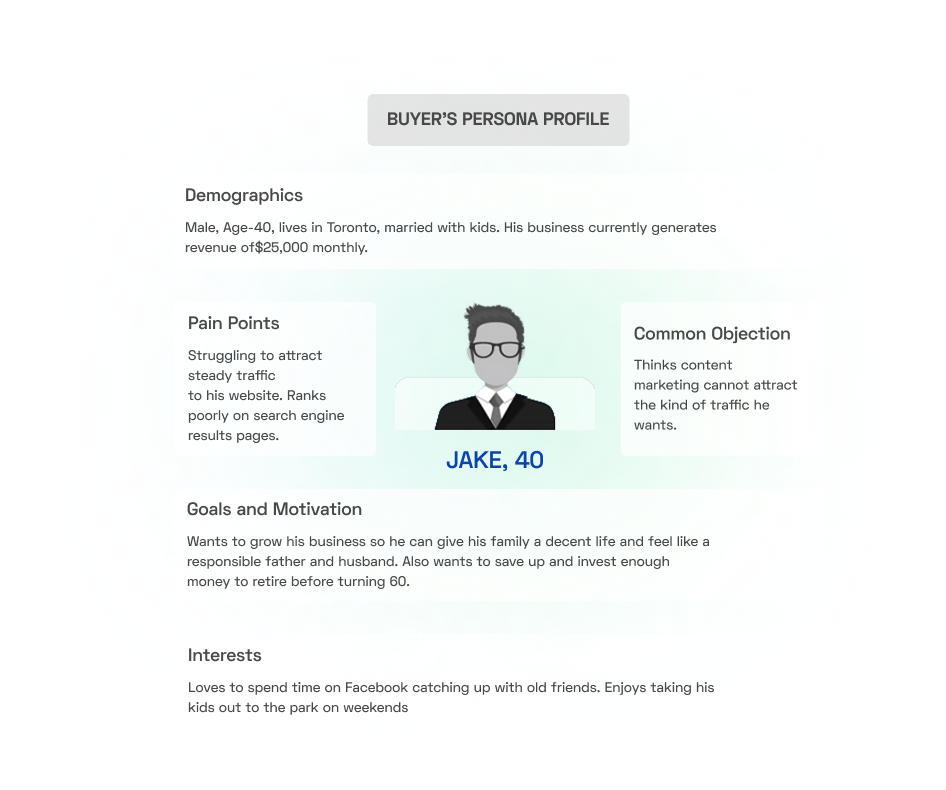
Understanding your customers is the foundation of effective personalization. Without a clear picture of who they are, what they need, and how they behave, your personalization efforts may feel generic and ineffective.
Start by collecting data from various sources such as first-party data (website interactions, app usage, email engagement), CRM insights (purchase history, support interactions), and direct customer feedback (surveys, reviews).
Here are key details you need to collect to get started:
- Demographics: Gather basic details such as age, gender, location, and job title to segment your audience effectively.
- Behavioral Data: Understand how customers interact with your brand by analyzing their browsing habits, purchase history, and engagement patterns.
- Do they engage via email, social media, or ads?
- Preferences: Identify customer preferences, including favorite communication channels, product interests, and content consumption habits to tailor messaging.
- Pain Points: Recognize customer challenges, such as high costs, inefficiencies, or lack of personalization.
- Where do they drop off in their journey?
- What barriers prevent them from converting?
Gathering these insights actively guides your strategy by revealing who your customers are, how they behave, what they prefer, and the challenges they face.
2. Segment Your Audience By Grouping Them Effectively
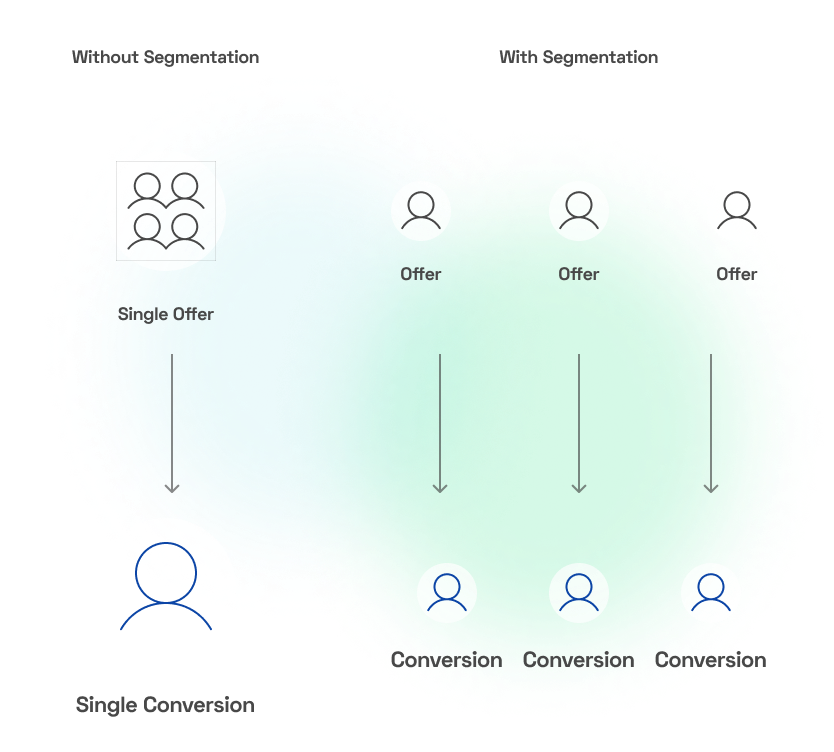
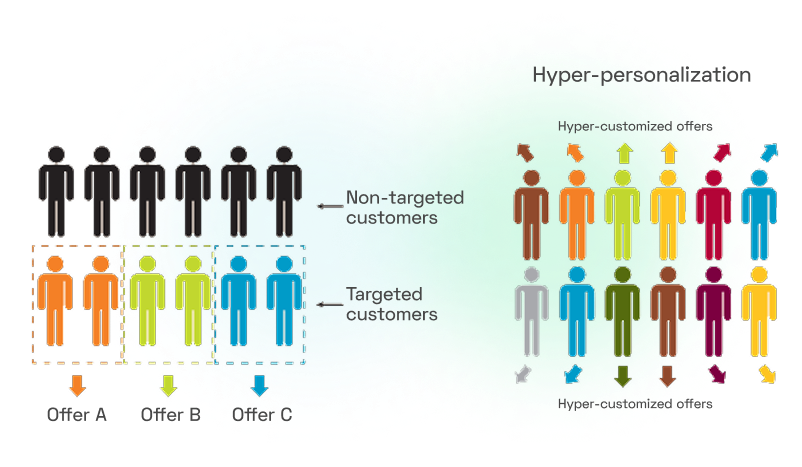
Divide a broad audience into smaller, meaningful groups based on common characteristics. Instead of treating all customers the same, segmentation allows you to send more personalized and relevant messages, improving engagement and conversion rates.
There are multiple ways to categorize your audience, but some of the most effective methods include:
-
By Behavior
- First-time visitors – People exploring your site for the first time.
- Repeat buyers – Customers who have made multiple purchases.
- Inactive users – Those who haven't engaged in a while.
-
By Interests
- Tech lovers – Prefer gadgets, software, and innovative solutions.
- Fashion enthusiasts – Engage with clothing, accessories, and style content.
- Eco-conscious shoppers – Look for sustainable and green products.
-
By Purchase Intent
- Browsers – Users who check products but don't buy.
- Ready-to-buy customers – Visitors who add items to their cart or compare prices.
-
By Engagement Level
- Highly engaged users – Frequently open emails, visit your website, and interact with content.
- Users needing re-engagement – Haven't responded to emails or visited in months.
A first-time visitor should receive a welcome email, not a loyalty program invite. A VIP customer should get exclusive perks, not generic product recommendations.
Structured segmentation helps deliver the right message, offer, or service to the right audience at the right time.
3. Deliver Tailored Content & Offers Based On Customer's Needs
Generic, one-size-fits-all marketing no longer works in a world where AI, data, and automation allow businesses to deliver hyper-relevant content at scale. Tailored content and offers are customized messages, product recommendations, and promotions designed to align with a customer's specific interests, behaviors, and needs. These experiences make customers feel understood and valued, which enhances their overall journey with a brand.
---center--- Content-Based Recommendation System
---end---
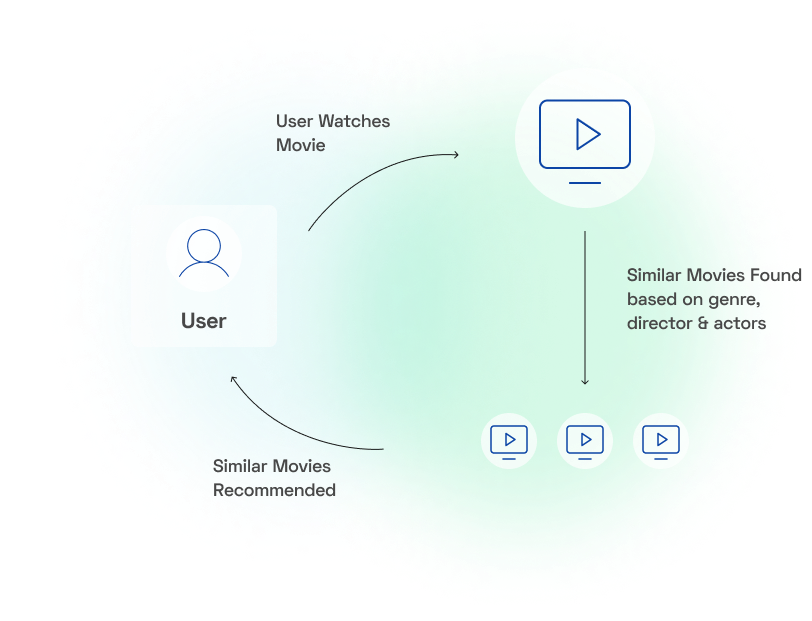
Where to Personalize?
- Website Content: Adjust banners, recommendations, and messaging based on browsing history.
- Emails & SMS: Send customized offers, product recommendations, or re-engagement messages.
- Ads & Promotions: Retarget users with relevant deals instead of showing them random ads.
Let's say, instead of blasting all customers with a "20% off sale" email, you could send product-specific discounts based on their browsing history, making the offer more relevant and compelling.
The key is to ensure that every message feels personal, timely, and aligned with what the customer actually needs.
Also Read: How to Use Customer Data to Personalize the Customer Experience
4. Leverage AI & Automation: Scale Personalization Without Losing the Human Touch
Scaling personalization manually is nearly impossible. This is where AI and automation come in, allowing businesses to analyze real-time data and deliver highly targeted experiences at scale.
How AI Enhances Personalization:
- Predictive Analytics: AI can anticipate what customers will want next based on their behavior.
- Dynamic Content Generation: Websites and emails can adjust in real-time to show the most relevant information.
- Chatbots & Virtual Assistants: AI-driven bots can provide personalized recommendations and support instantly.
Why it matters: AI ensures that personalization happens at the right time, without waiting for manual input. This keeps experiences fluid, responsive, and always relevant.
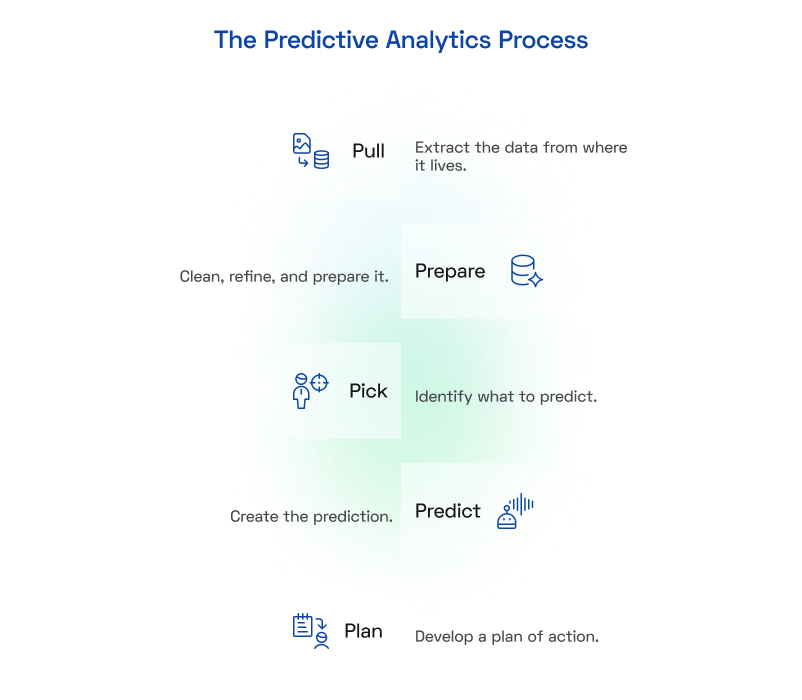
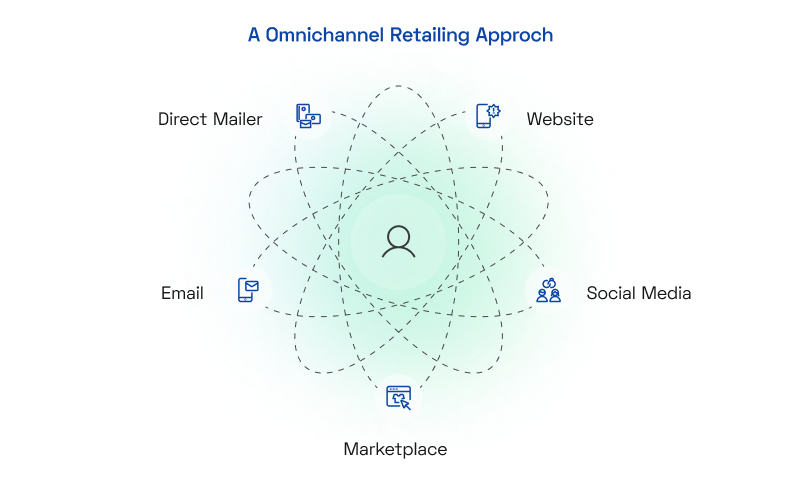
5. Maintain Omnichannel Consistency: Seamless Experiences Across All Touchpoints
Customers expect a connected experience across all the channels they interact with whether it's your website, mobile app, social media, or physical store. If personalization only happens in one place, it creates frustration when switching between touchpoints.
How to Keep Personalization Consistent?
- Ensure customer data is synced across all platforms (website, email, social, in-store).
- Use unified messaging so recommendations and promotions match across different channels.
- Allow users to pick up where they left off when switching devices.
If a customer adds a product to their cart on mobile, it should still be there when they log in on desktop. If they browse winter jackets on your website, they should see related recommendations in their next email.
When every interaction feels connected and effortless, customers are more likely to stay engaged.
6. Balance Personalization & Privacy: Build Trust with Transparency
Consumers appreciate personalization, but they also care about how their data is being used. If they feel like they're being tracked without their consent, it can backfire and create distrust.
Best Practices for Ethical Personalization:
- Be transparent about what data you're collecting and why.
- Allow customers to control their preferences (opt-in, opt-out options).
- Follow privacy regulations like GDPR and CCPA.
Why it matters: Customers will engage more when they trust you. Personalization should feel like a benefit, not an invasion.
7. Measure & Optimize Continuously: Keep Refining Your Strategy
No personalization strategy is perfect from the start. To make it truly effective, you need to test, track, and refine your approach over time.
Key Metrics to Track:
- Engagement Rates: Email open rates, click-through rates, time spent on site.
- Conversion Rates: How many personalized recommendations actually lead to purchases?
- Customer Retention: Are people returning to your brand after personalized interactions?
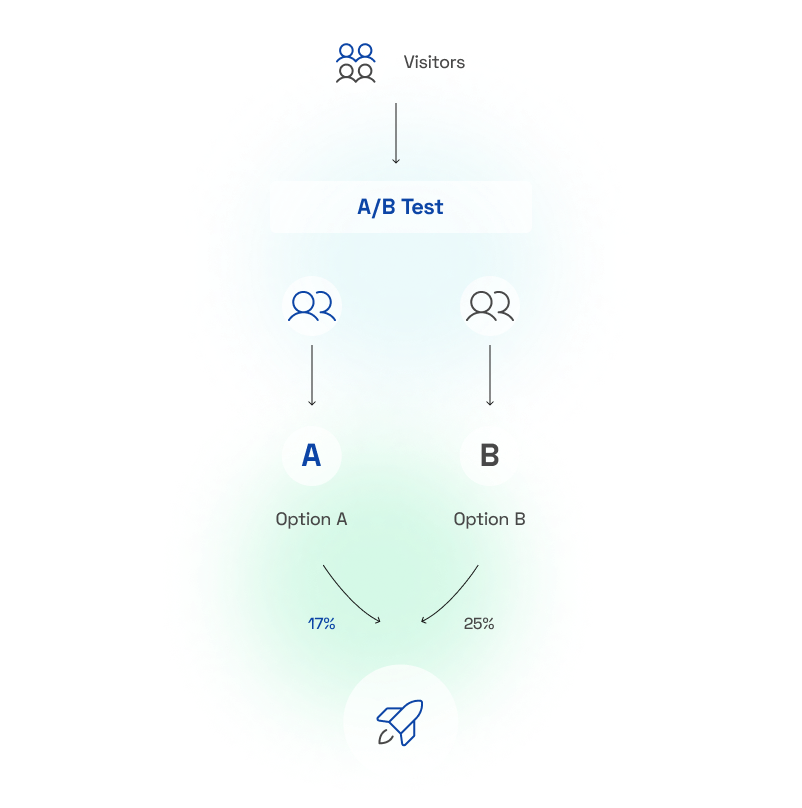
- A/B Testing Results: Compare personalized vs. non-personalized experiences to see what works best.
Why it matters: The more you analyze and optimize, the better your personalization strategy becomes—leading to more engagement, conversions, and loyalty.
Types of Customer Data Required To Power Personalization Strategies
To implement effective personalization, you need to collect and analyze different types of customer data.
Here are the key types of customer data required to drive personalized customer engagement:
A. Demographic Data (Who the customer is)
This includes: Age, Gender, Location, Occupation, Income level. Marital status
Example: Use demographic data to recommend products suited to different age groups or locations (e.g., winter jackets for customers in cold regions).
B. Behavioral Data (How the customer interacts)
This data is gathered from customer actions across digital channels, including: Website visits and browsing history, Clickstream data (pages viewed, time spent on pages), Email open and click-through rates, Social media interactions, In-app activity
Example: If a customer frequently browses running shoes but hasn't made a purchase, you can personalize emails showcasing the latest running shoe deals.
C. Transactional Data (What the customer buys)
This includes: Purchase history, Payment preferences, Subscription details, Refunds and returns
Example: Suggest content based on a user's past viewing and payment preferences (e.g., reminding them to renew a subscription).
D. Contextual Data (Where and when the customer interacts)
Device type (mobile, desktop, tablet), Browsing environment (app, website, chatbot), Location at the time of interaction, Time of day/week of interaction
Example: You can send push notifications with lunch offers during peak meal times, customized to the user's location.
E. Psychographic Data (Why the customer behaves a certain way)
Interests and hobbies, Values and attitudes, Lifestyle preferences, Brand affinities
Example: You can recommend diet plans based on a customer's interest in keto diets versus high-protein meal plans.
F. First-Party Data (Data directly collected from customers)
This is the most valuable type of data as it comes from direct customer interactions, including: CRM data (customer profiles, loyalty programs), Email responses, Customer service chats and feedback, On-site interactions (form submissions, surveys)
Example: You can offer a birthday discount based on information provided in a loyalty program.
G. Third-Party Data (Data sourced externally)
This includes data obtained from data aggregators, social media platforms, and advertising networks. While less personalized, it helps in:
- Expanding customer segmentation
- Understanding broader trends and intent signals
Example: You can use third-party data to identify users interested in luxury vacations and target them with premium travel packages.
Also read: Effective Marketing Specialization Strategy to enhance customer engagement
Challenges in Implementing Personalized CX
Personalization sounds great in theory customers love when brands "get them", and businesses benefit from higher engagement and loyalty. But making customer experience personalization work isn't always easy. There are roadblocks, from messy data to privacy concerns, that can make tailored customer experiences feel like a daunting task.
Let's break down the biggest challenges businesses face when trying to create a seamless, personalized customer engagement and why tackling them is so important.
1. Messy Data? The #1 Roadblock to Personalization
Personalization starts with data, but here's the problem: customer information is often scattered across different platforms—CRM, email marketing tools, website analytics, social media, and customer support logs. When data is siloed like this, it's impossible to get a 360-degree customer view, which means AI-driven recommendations and tailored interactions won't be as effective.
Why this is a challenge:
- Customer data lives in too many disconnected systems.
- Inconsistent or outdated data leads to irrelevant personalization.
- Lack of real-time insights prevents businesses from delivering instant, AI-powered personalization.
What brands need to do:
- Implement Customer Data Platforms (CDPs) to unify data across all channels.
- Use AI and automation to analyze real-time customer behavior for accurate, relevant recommendations.
2. When Your Channels Don't Talk: The Struggle for Omnichannel Consistency
Customers don't just interact with your brand in one place—they jump between your website, mobile app, emails, social media, and even physical stores. If your personalized customer experience isn't consistent across these channels, it can feel frustrating and disjointed.
Common issues:
- A customer browses a product on your website but sees completely unrelated recommendations in an email.
- They contact customer support and have to repeat their issue because the system doesn't recognize past interactions.
- Personalized promotions and messages don't align across platforms, leading to confusion.
How to fix it:
- Use AI-powered personalization tools that sync across all touchpoints.
- Ensure all customer interactions—from browsing to support chats—are logged and updated in real-time.
3. Personalization vs. Privacy: Walking the Fine Line
Customers love personalization until it starts to feel too personal. If a brand tracks too much information or fails to be transparent about data usage, customers may feel uncomfortable. Plus, with data regulations like GDPR and CCPA, brands have to be extra careful with how they collect and use customer data.
Why this is tricky:
- Customers are more aware of privacy concerns and may hesitate to share personal data.
- Strict regulations limit how businesses can collect, store, and use customer information.
- Over-personalization—like ads that feel "too accurate"—can feel intrusive instead of helpful.
How to personalize responsibly:
- Be transparent about data collection and let customers control their preferences.
- Follow GDPR, CCPA, and other privacy laws to ensure compliance.
- Focus on behavior-based personalization (like tracking past purchases) rather than collecting excessive personal details.
4. AI Sounds Great—But Is It Really That Easy to Implement?
AI-driven personalization helps businesses deliver real-time, hyper-relevant experiences—but not every brand has the right tools, budget, or expertise to make it work.
The biggest hurdles:
- AI and automation tools can be expensive, making them inaccessible for small businesses.
- Many brands lack the technical expertise to implement AI-driven personalization effectively.
- Over-reliance on automation can make interactions feel robotic instead of human.
How to overcome it:
- Start with smaller AI-powered personalization tools, like automated product recommendations and dynamic email content.
- Invest in user-friendly AI solutions that don't require deep technical knowledge.
- Balance AI-driven automation with human support to maintain a natural, engaging experience.
5. You Can Personalize, But Can You Prove It Works?
Many businesses invest in personalized customer engagement but struggle to measure whether it's actually working. Without tracking the right metrics, it's hard to know what's driving results and what needs improvement.
Why businesses struggle with measurement:
- Lack of clear KPIs for personalized customer interactions.
- Too much focus on short-term conversions rather than long-term customer engagement.
- No testing strategy to refine personalization efforts.
How to fix it:
- Track engagement metrics (email open rates, click-through rates, time spent on site).
- Measure customer retention and lifetime value (CLV) to assess long-term success.
- A/B test different levels of personalization to see what resonates best with your audience.
6. Avoiding Over-Personalization
While customers want a tailored customer experience, too much personalization can backfire. If a brand predicts customer needs too aggressively, it can feel intrusive instead of helpful.
When personalization goes too far:
- A customer browses a product once and is bombarded with ads for it everywhere.
- They receive hyper-specific recommendations that make them feel like they're being tracked too closely.
- Messages come across as creepy instead of convenient.
How to strike the right balance:
- Focus on helpful, non-intrusive personalization (e.g., "You might also like…" instead of "We know you want this!").
- Let customers control how much personalization they receive.
- Use progressive profiling—gradually learning about a customer over time rather than collecting all their data at once.
Personalization Isn't Easy, But It's Worth It
Personalizing customer experiences is one of the best ways to boost engagement, loyalty, and sales. But it comes with challenges—from data integration and privacy concerns to AI implementation and measurement issues.
Examples of how companies use customer data to personalize the customer experience
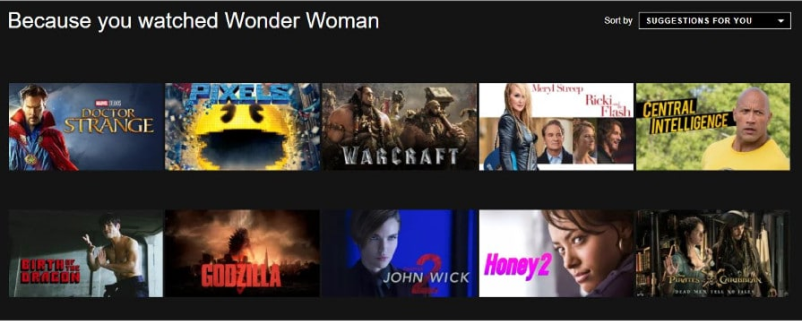
1. Netflix Knows What You'll Love Before You Do
Ever feel like Netflix reads your mind? Its "Because You Watched" and "Top Picks for You" sections are powered by clever algorithms that learn your quirks, from your love for gritty thrillers to your secret obsession with rom-coms. It's like having your own entertainment concierge, ensuring you're never bored.
Why It's Genius
"Netflix doesn't just serve content; it curates moments."
By saving users from endless scrolling, it keeps them hooked, delivering an experience that feels personal and effortless.
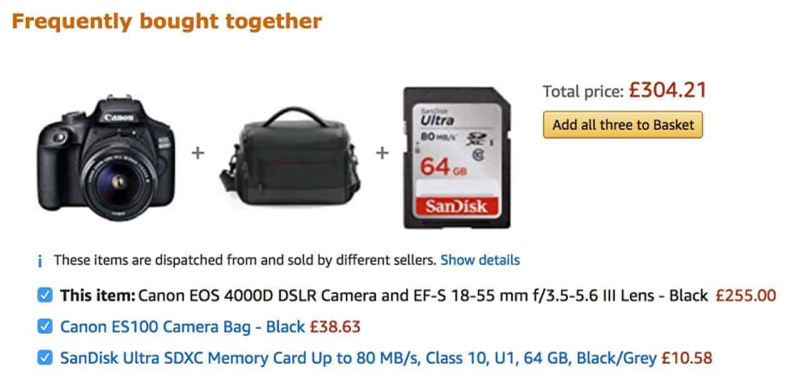
2. Amazon Knows What You Need Before You Click Add to Cart
Ever notice how Amazon always seems to have the perfect recommendation? From "Frequently Bought Together" to "Customers Who Bought This Also Bought," Amazon leverages your shopping history and habits to suggest products that feel tailored to your needs, often before you even realize you want them.
Why It's Genius
"Amazon doesn't just sell products; it anticipates your wants and needs."
By offering relevant recommendations at the right moment, it streamlines your shopping experience and keeps you coming back for more—whether it's a must-have gadget or a thoughtful gift for someone special.
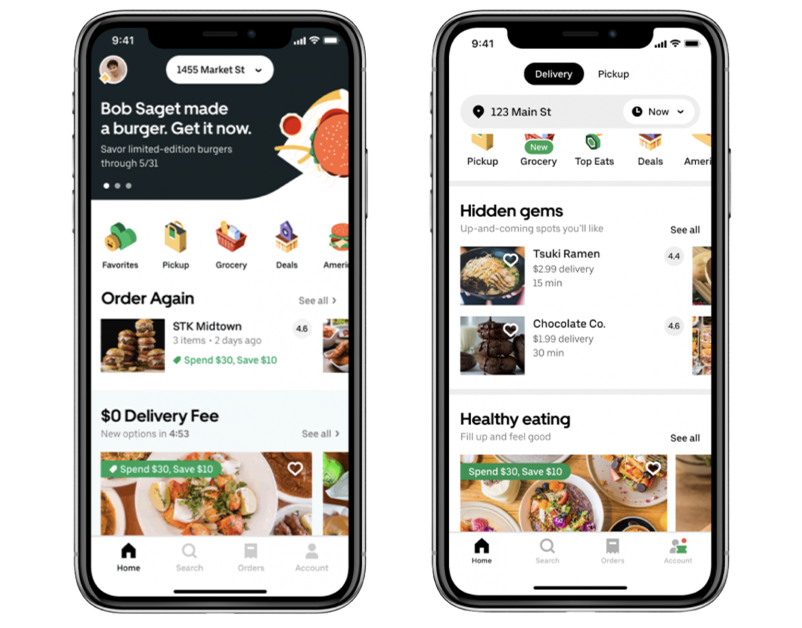
3. Uber Eats Knows What You're Craving Next
Ever notice how Uber Eats seems to know your go-to order? With its "Reorder" button and personalized restaurant recommendations, Uber Eats leverages your ordering history to serve up food suggestions that are just what you're craving, even before you do.
Why It's Genius
"Uber Eats doesn't just serve meals; it caters to your cravings."
By learning your taste profile, it saves you time and ensures you never have to think twice about where to eat, whether you're in the mood for pizza or a spicy sushi roll.
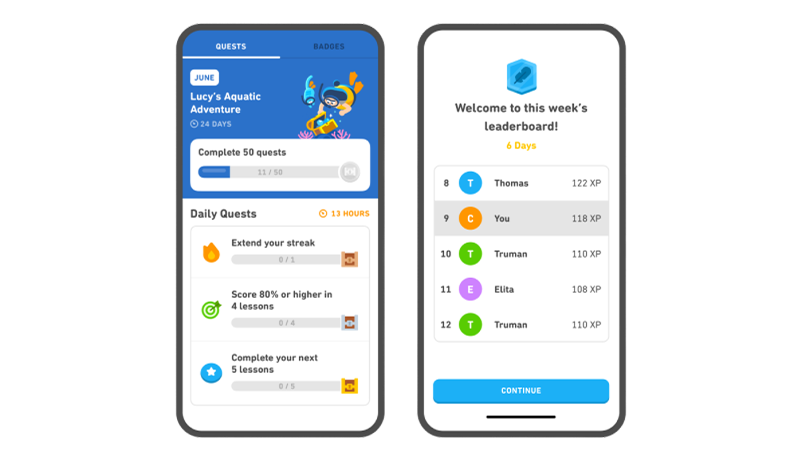
4. Duolingo Knows Your Next Language Lesson
Ever notice how Duolingo always seems to know when you're ready to learn something new? Based on your progress and activity, Duolingo suggests lessons that keep you moving forward in your language learning journey, whether you're mastering your first words or tackling advanced grammar.
Why It's Genius
"Duolingo doesn't just teach you a language; it adapts to your learning pace."
By curating lessons and challenges based on your skill level, it ensures that every step of the way is rewarding, keeping you engaged and motivated to continue learning.
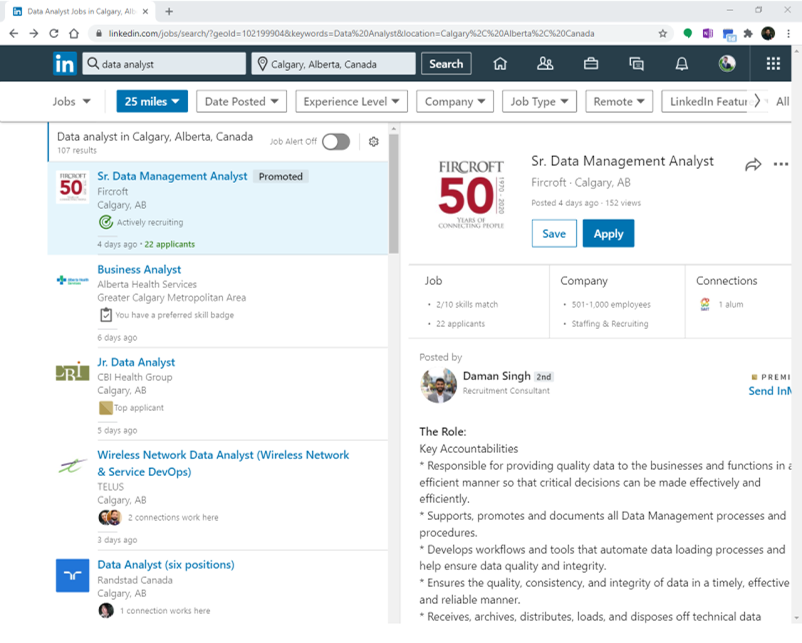
5. LinkedIn Knows Your Next Career Move
Ever notice how LinkedIn seems to recommend job opportunities that perfectly match your skills and experience? LinkedIn uses data from your profile, past activity, and connections to suggest jobs, articles, and networking opportunities that can help you take the next step in your career.
Why It's Genius
"LinkedIn doesn't just connect professionals; it actively helps you advance your career."
By learning about your job preferences and goals, it provides personalized insights and opportunities, ensuring your professional network and growth stay ahead of the curve.
Also read: EA Data-Driven Approach to Boost Conversions
The Creepy Factor: When Personalization Goes Too Far
Let's talk about the creepy factor—you know, that moment when personalization feels like it's crossing into Big Brother territory.
When Does It Get Creepy?
Over-targeting: Getting an email about a pair of shoes you've been eyeing for weeks on a totally different site? It feels personal... but also kind of stalker-ish.
Invisible Tracking: Ever notice how your ads follow you from site to site? That's data tracking at work. It's not exactly comforting when you realize you've been tracked without your knowledge.
Unasked-for Relevance: When a brand sends you offers based on something you thought about buying, but didn't actually purchase, it can feel a bit like they're reading your mind.
So, How Do We Avoid the Creep?
Transparency is Key: Customers want to know what data you're collecting and why. Don't keep it a secret—be upfront about what's going on behind the scenes.
Respect Their Boundaries: Let them choose how much they share. The more control a customer has over their data, the less likely it is to feel invasive.
Keep It Relevant: Personalization should feel like a helpful assistant, not a mind reader. If your recommendation engine knows that they need new shoes, great. But don't remind them about it every day!
Striking the right balance between personalization and privacy is all about building trust and being upfront about how you use customer data. When people know their information is in safe hands, they're more likely to open up and share insights that can help you serve them better.
Putting your customers at the heart of your approach means creating experiences that feel genuinely tailored to their needs—without crossing any boundaries. This kind of thoughtful personalization strengthens bonds, boosts loyalty, and earns your brand some serious brownie points.
At the end of the day, it's all about making customers feel appreciated and respected. By showing them you care about their privacy as much as their experience, you create a lasting connection built on trust and mutual respect.