---blog Title---
MarTech AI: Unlocking ROI Potential - Is It Worth the Investment?
---desktop---

---mobile---
Marketing has always been about reaching the right audience at the right time with the right message. But in recent years, artificial intelligence has stepped into the picture, changing how businesses think about marketing technology.
AI technology in marketing offer the promise of better decisions, more precise targeting, and campaigns that practically run themselves. The appeal is obvious: improved efficiency and a bigger return on your marketing investment.
But AI in marketing for better ROI is a smart bet?
It is one thing to hear about its potential, but does it actually pay off in the real world?
In this blog, we will examine what MarTech AI brings to the table, where it succeeds, and where it might stumble. Our goal is to help you figure out if investing in these tools makes sense for your business.
Understanding MarTech AI
What Is MarTech AI?
MarTech AI is what happens when marketing technology gets a boost from artificial intelligence. It's not just about knowing tools to integrate that help you send emails or manage ad campaigns; it’s about making those tools smarter. Think of it as upgrading your marketing toolkit to include automation, better data analysis, and a way to tailor customer experiences like never before.
The core of MarTech AI lies in three areas:
- Automation: Simplifying repetitive tasks so your team can focus on bigger-picture strategies.
- Analytics: Analyzing huge amounts of data to find insights that would otherwise go unnoticed.
- Personalization: Delivering messages and offers that feel like they were made just for each customer.
How Does AI Improve Marketing Technology?
Imagine being able to instantly process what is happening across all your campaigns and adjust your approach in real time. That is the kind of capability AI brings to marketing technology.
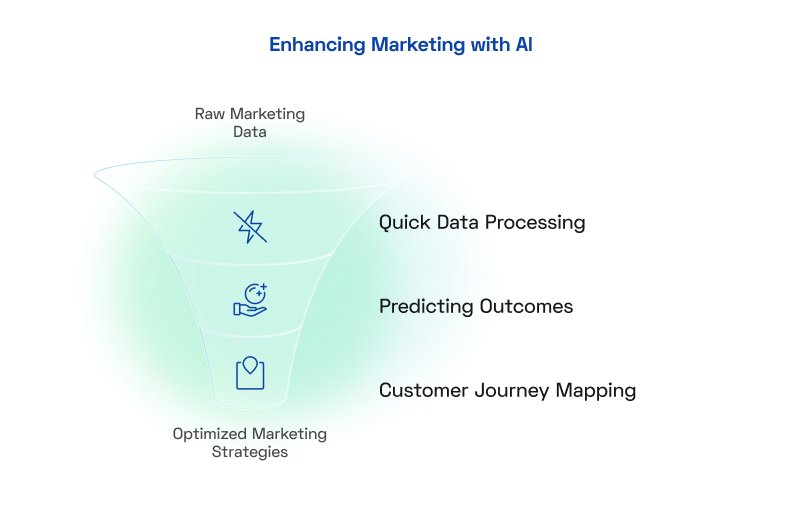
- Quick Data Processing: Instead of waiting for reports, you can see trends as they happen and react immediately.
- Predicting Outcomes: AI can analyze past behaviour to predict what your customers might do next, helping you plan smarter campaigns.
- Customer Journey Mapping: You can get a detailed view of how people interact with your brand, ensuring their experience is smooth and consistent.
This level of sophistication is not just a nice-to-have—it is quickly becoming essential for staying competitive.
Key Benefits of MarTech AI in Driving ROI
Improved Campaign Efficiency
One of the standout advantages of MarTech AI is how it simplifies complex processes. By automating repetitive tasks like scheduling campaigns, allocating budgets, or tracking performance metrics, these tools free up valuable time for your team. This means marketers can focus on crafting strategies and creative ideas rather than getting bogged down in manual work.
Efficiency does not just save time—it saves money too. When tasks that previously required hours of effort are completed in minutes, the cost savings are undeniable. For example, an AI-powered email marketing tool can optimize send times, segment audiences, and even generate content without constant human input.
Enhanced Customer Targeting and Personalization
Effective marketing has always been about speaking directly to your audience's needs. With MarTech AI, personalization reaches a whole new level. AI can break down your customer base into highly specific segments, ensuring your messaging resonates with each group.
Consider this: instead of a one-size-fits-all approach, AI enables dynamic content generation, where the email, ad, or webpage a customer sees changes based on their preferences and past behaviour.
The result? Higher engagement rates and a deeper connection with your audience.
Scalable Marketing Operations
Growth is a double-edged sword—while it is exciting, it often brings operational challenges. MarTech AI helps businesses scale their marketing efforts without stretching their resources too thin.
For example, a growing business that expands its product line or customer base does not need to hire twice as many marketers to manage the workload. AI systems can handle the increased volume, ensuring campaigns remain efficient and effective even as complexity grows.
Data-Driven Decision Making
Marketers today are flooded with data. The challenge is not collecting it—it is making sense of it all. This is where MarTech AI excels. It can sift through mountains of information, identify patterns, and present actionable insights.
Instead of relying on intuition or guesswork, you will have a solid foundation for your decisions. Whether it is determining which product to promote, which audience to target, or which channels to prioritize, AI ensures you are backed by evidence.
This AI-driven marketing solutions and data-driven approach minimizes waste and maximizes returns, helping you make smarter investments in your marketing strategy.
Challenges and Limitations of MarTech AI
High Initial Investment Costs
Let us address the elephant in the room: adopting AI-powered marketing tools is not cheap. From purchasing software to training your team, the upfront costs can feel steep, especially for smaller businesses. While the promise of higher returns can justify the expense, it is essential to have realistic expectations about how quickly you will see those returns.
For larger organizations, the investment might pay off faster due to the scale of operations and budget flexibility. Smaller businesses, however, may need a more phased approach, starting with tools that address their most pressing needs before expanding further.
Data Privacy Concerns
As AI tools become more advanced, they rely heavily on data to deliver their results. This raises an important question: how do you balance personalization with privacy? Customers expect tailored experiences, but they are also wary of companies that appear too invasive.
Staying compliant with regulations like GDPR or CCPA is non-negotiable. Beyond compliance, businesses must prioritize transparency—clearly explaining how data is used and ensuring customers feel in control. Mismanaging this aspect could erode trust, no matter how effective your AI-powered campaigns might be.
Skill Gap and Adoption Issues
Even the most powerful tools are only as good as the people using them. For many organizations, the biggest hurdle is not buying MarTech AI—it is making sure the team knows how to use it effectively.
Training is key. Marketing professionals need to understand how these tools work, how to interpret the data they provide, and how to adjust campaigns based on AI-driven insights. Without this knowledge, the tools can quickly become underutilized or misused, wasting both time and money.
Integration Complexity
MarTech AI does not operate in a vacuum. It needs to work alongside your existing systems, which can sometimes lead to headaches during the integration process.
For example, ensuring that your new AI-driven email platform syncs with your customer relationship management software and analytics tools can be a time-consuming task. Any missteps while integrating martech systems can cause data silos, inaccuracies, or system downtime, all of which disrupt operations. Careful planning and expert guidance are crucial to avoiding these pitfalls.
Evaluating ROI: Is MarTech AI Worth the Investment?
ROI Benchmarks for MarTech AI
Before deciding if MarTech AI is right for your business, you need to establish clear metrics for success. Some common benchmarks include:
- Customer Acquisition Costs: Are your campaigns generating leads more efficiently? Lower costs per acquisition indicate that your targeting and messaging are on point.
- Customer Lifetime Value: By improving personalization and engagement, MarTech AI can increase the value customers bring over time. Tracking repeat purchases or subscription renewals can help measure this.
- Conversion Rates: Enhanced targeting and dynamic content should directly impact the number of prospects who take action, whether it is signing up for a service or completing a purchase.
These metrics are not just numbers—they are indicators of whether your investment in AI-powered tools is delivering tangible results.
ROI Pitfalls to Avoid
While the potential of MarTech AI is exciting, not every implementation is a success. Common mistakes include:
- Overestimating Capabilities: AI is powerful, but it is not magic. Expecting it to solve every marketing challenge without proper setup or strategy is unrealistic.
- Misaligned Goals: If your AI tools are not designed to address your business's specific needs, they will likely fall short. Clear alignment between tools and objectives is essential.
- Lack of On-going Evaluation: ROI is not static. Regularly reviewing metrics and adjusting your approach ensures you continue to get the most out of your investment.
ROI for Smaller to Medium Businesses vs. Large Enterprises
For large enterprises, MarTech AI often makes sense because the scale of operations justifies the expense. Smaller businesses, however, must tread carefully. The key is to start with solutions that offer the highest impact for the lowest cost, such as AI-powered email tools or analytics platforms.
Smaller companies can also benefit from cloud-based options, which eliminate the need for hefty infrastructure investments. Over time, as the ROI becomes clear, expanding into more sophisticated tools becomes a natural next step.
Future of MarTech AI: Long-Term Potential
Emerging Trends in MarTech AI
AI's influence on MarTech Technology Platforms is still growing, and new trends are constantly reshaping the possibilities:
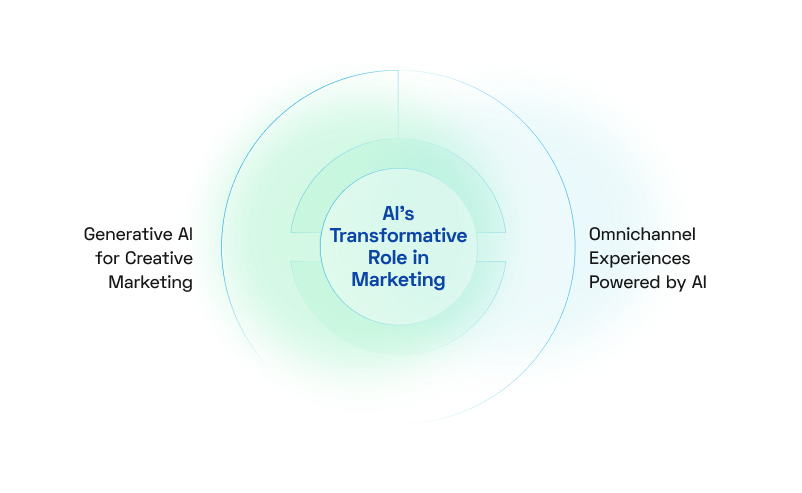
- Generative AI for Creative Marketing: Tools that create personalized emails, ad copy, and even social media posts are becoming mainstream, allowing teams to produce content faster while maintaining quality.
- Omnichannel Experiences Powered by AI: Customers expect seamless transitions between platforms, whether they are shopping online, using an app, or visiting a store. AI ensures consistency, tailoring experiences across all touchpoints.
Staying ahead of these trends is not just an advantage—it is quickly becoming a requirement for competitive businesses.
The Role of AI in Predictive Marketing
Imagine knowing what your customers will want before they do. AI makes this possible by analyzing behaviour patterns and predicting future actions. Whether it is anticipating which product will be a bestseller or determining the best time to launch a campaign, predictive marketing powered by AI helps businesses act with confidence.
This is not guesswork—it is a data-driven approach that transforms how marketing decisions are made.
Ethical Considerations in MarTech AI
As powerful as AI is, its use in marketing raises important ethical questions. How do you ensure that personalization does not cross the line into manipulation? Are your data practices transparent and respectful of customer privacy?
Companies need to tread carefully, building trust by being upfront about how they use AI and committing to practices that prioritize customer well-being over short-term gains. Businesses that ignore these ethical considerations risk damaging their reputation.
Preparing for an AI-Driven Marketing Future
To thrive in an AI-driven future, businesses need to take action now:
- Invest in Education: Equip your team with the knowledge to understand and leverage AI tools effectively.
- Focus on Adaptability: As technology evolves, so should your marketing strategies. Embrace change and be ready to pivot when needed.
- Start Small, Scale Smart: Begin with AI solutions that address your most pressing challenges, then expand as you see results.
The businesses that succeed in this new era will be the ones that combine cutting-edge tools with a thoughtful, customer-centric approach.
Conclusion
MarTech AI is more than just a buzzword—it is a transformative force reshaping how businesses approach marketing. By automating tasks, improving personalization, and providing actionable insights, these tools offer significant potential to boost return on investment.
However, this is not a decision to rush into. The costs, challenges, and ethical considerations must be weighed carefully against the benefits. With a clear strategy and the right mindset, MarTech AI can become a cornerstone of a business's long-term success.
The question is not just whether implementing MarTech solutions is worth the investment, but whether your business is ready to fully embrace its potential. The time to start is now—before your competitors leave you behind.