Interactions Correctly?


Customer Retention Analytics: A Guide to Prevent Silent Churn


Comprehensive guide to enhancing customer insights with CDP
Did you know that 97% of users churn silently, never providing feedback or lodging a complaint? They don’t tell you they’re unhappy, nor do they ask for help. Instead, they simply stop engaging—logging in less often, skipping purchases, or ignoring your emails. By the time you notice, the damage is done, and the opportunity to reconnect is lost.
Research indicates that only 1 out of 26 unhappy customers will take the time to complain. The rest? They quietly leave. This means the absence of feedback isn’t a sign that everything’s fine—it’s often a sign that customers are indifferent. And indifference, not dissatisfaction, is the real enemy.
This silent exodus can wreak havoc on your business. It’s not just about losing customers; it’s about losing insights, revenue, and growth opportunities. Silent churn is particularly dangerous because it hides in plain sight, giving you no clear signal to act.
But here’s the thing: silent churn doesn’t happen overnight. It starts with subtle shifts in behavior—things like reduced activity, fewer interactions, or declining purchases. By using customer retention analytics, you can identify these early warning signs and take action before it’s too late.
This guide will show you how to uncover the hidden patterns behind silent churn, why it’s crucial to address them, and how a data-driven approach can make all the difference. Let’s dive into the numbers and solutions that will help you keep your customers engaged and loyal.
Decoding Silent Churn with Customer Retention Analytics
Customer retention analytics offers a powerful lens to uncover the subtle behavioral shifts that signal disengagement. By tracking patterns like reduced activity, delayed responses, or declining purchases, businesses can identify at-risk customers and take timely, personalized actions to re-engage them. Decoding silent churn isn’t just about spotting who might leave—it’s about understanding why they’re leaving and using those insights to build a stronger, more connected customer experience.
Who Are Silent Churners?
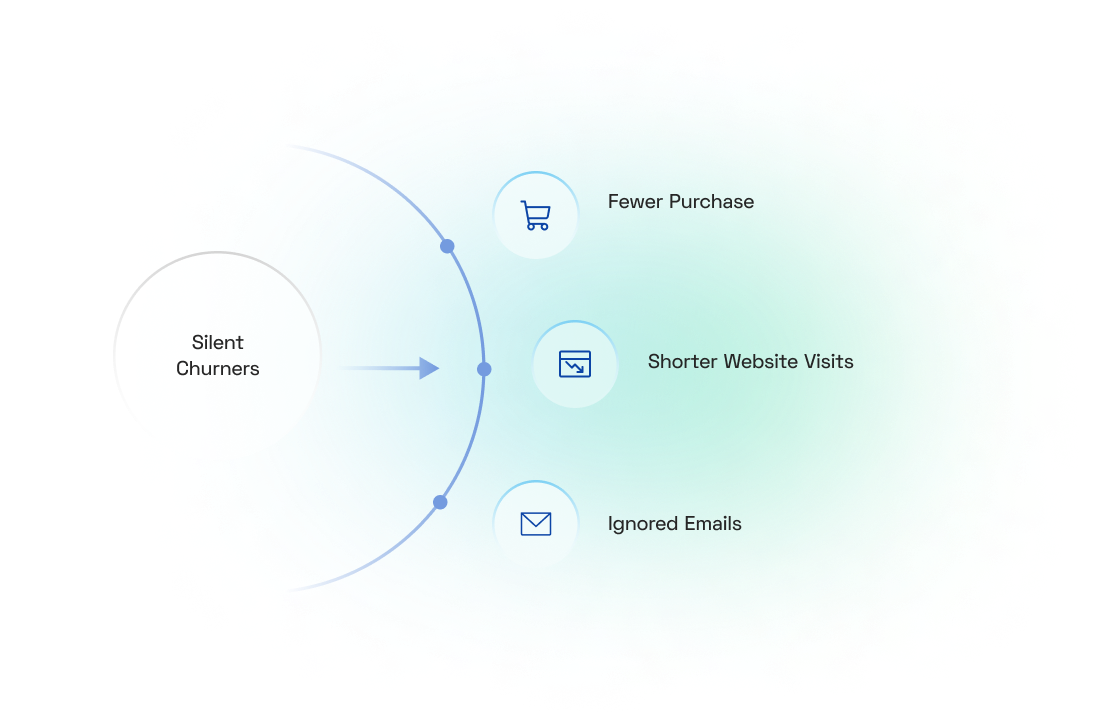
Silent churners are the customers who quietly drift away without giving any explicit indication of their dissatisfaction. They don’t reach out to complain, cancel a subscription, or leave negative feedback.
Silent churners might stop logging into an app, reduce their spending frequency, or skip using a key service they once relied on. While their inactivity might seem minor initially, over time, it becomes a clear sign of disengagement. Unlike vocal customers, silent churners leave no direct clues about their dissatisfaction, making it harder for businesses to understand their reasons or take corrective action in time.
Why Silent Churners Matter
These quiet exits can be more dangerous than loud complaints because they happen under the radar, leaving businesses blindsided. Understanding and addressing silent churners can save businesses from losing significant revenue.
This silence doesn’t just mask the problem—it amplifies its impact. Businesses often notice the effects of silent churn too late, when revenue has already taken a hit or customer lifetime value has diminished. Silent churn can be particularly harmful in subscription-based or recurring revenue models, where consistent engagement is vital for long-term success.
How Customer Retention Analytics is changing the Equation
Retention strategies are no longer built on guesswork or anecdotal evidence. Data analytics has become a powerful tool to pinpoint when and why customers disengage.
Customer retention analytics is the practice of studying customer behaviours and interactions to understand why some stay loyal while others drift away. It involves analyzing patterns in data to reveal what keeps customers engaged and what might push them to leave. Think of it as decoding the secret language of your customers’ actions to predict and influence their next steps.
By using data to guide decisions, businesses can identify the real reasons behind customer churn and take meaningful steps to prevent it. The focus shifts from reacting to churn to proactively keeping customers engaged.
Key Customer Retention KPIs and Metrics to Track Silent Churn
Detecting silent churners requires a closer look at their actions - or lack of them. Some tell-tale signs include:
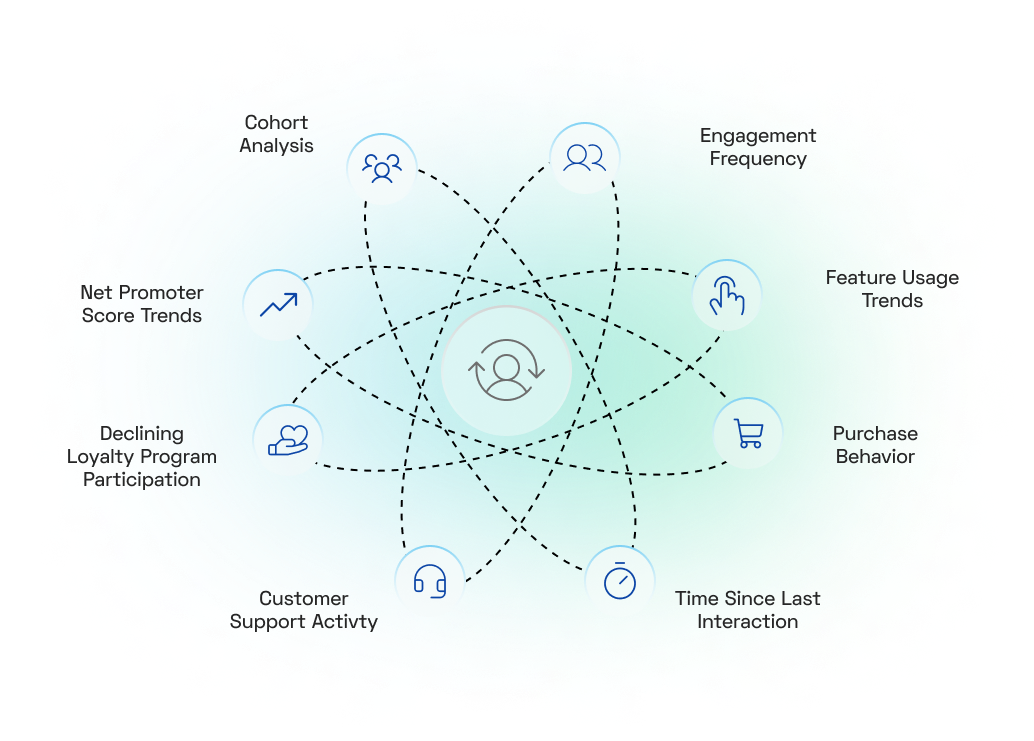
These patterns often start weeks or months before a customer completely stops interacting. Identifying these early signals is key to addressing the problem in time.
Tracking silent churn starts with identifying the right metrics. While silent churn doesn’t come with a cancellation notice, it leaves behind a trail of behavioral data. By monitoring specific indicators, businesses can spot the warning signs and act before it’s too late.
Here are the key metrics to keep on your radar:
1. Engagement Frequency
How often are customers interacting with your product or service? A drop in logins, website visits, or app usage can indicate a waning interest. If customers aren’t showing up as often as they used to, it’s time to check in and understand why.
2. Feature Usage Trends
Silent churn often begins with customers using fewer features or skipping key functionalities. If you notice declining usage in areas that previously held strong engagement, it could be a signal they’re not finding the value they once did.
3. Purchase Behavior
For e-commerce or subscription-based models, changes in buying habits—such as smaller cart sizes, longer intervals between purchases, or cancellations of repeat orders—can be early signs of disengagement.
4. Time Since Last Interaction
The time elapsed since a customer’s last purchase, login, or interaction is a straightforward yet powerful metric. A growing gap between interactions can suggest declining interest and potential churn.
5. Customer Support Activity
Low or nonexistent customer support queries may seem positive, but it could indicate indifference rather than satisfaction. Most unhappy customers don’t complain—they leave. Monitoring support activity alongside other metrics can provide a fuller picture.
6. Declining Loyalty Program Participation
For businesses with loyalty or rewards programs, a drop in points redemption, reward claims, or engagement in program activities could signal fading interest in your brand.
7. Net Promoter Score Trends
Changes in Net Promoter Score over time can offer insights into customer sentiment. While not every dissatisfied customer responds to surveys, a downward trend in scores could be an early warning.
8. Cohort Analysis
Comparing groups of customers based on when they joined, how they engage, or other shared traits can reveal patterns in churn. For example, if customers from a specific cohort show declining engagement after a particular time frame, it highlights an area for improvement.
9. Retention Rate by Segment
Different customer segments often churn for different reasons. Segmenting by demographics, purchase history, or behavior allows for a more targeted approach to understanding and preventing silent churn.
10. Cancellation Drivers in Explicit Churn
While silent churn doesn’t involve formal cancellations, analyzing the reasons behind explicit churn can reveal trends that apply to silent churners as well. Are customers leaving due to pricing, lack of value, or confusing features? These insights can inform broader retention strategies.
Strategies to Re-engage Silent Churners Using Customer Retention Analytics
Silent churn doesn’t mean all hope is lost. With the right data and a tailored approach, businesses can effectively re-engage customers before they fully disengage. Here’s how to use customer retention analytics to reconnect with silent churners and rekindle their interest:
Personalized Communication: Speak Directly to Their Needs
Silent churners don’t respond to generic messages - they need to feel seen and understood. Analytics allows businesses to craft personalized communication that resonates. For example, if a customer regularly purchased a specific product but hasn’t in months, sending an email highlighting related items or offering a restock reminder can reignite interest.
It’s not just about personalization but also tone. Avoid overtly salesy language and instead focus on rekindling the relationship.
For instance:
"We noticed you loved [Product Name]. Is there anything we can do to make your experience even better?"
Tailored Incentives and Promotions
Silent churners often need a nudge to return. Offering incentives such as a loyalty discount, free shipping, or early access to sales can make them feel valued.
However, data should guide the offer. Customer loyalty analytics can reveal what they’re most likely to respond to - be it discounts, loyalty points, or free trials.
For example:
- A customer who frequently abandoned carts might respond well to a limited-time free shipping offer.
- Someone who made repeat purchases of high-ticket items might appreciate a VIP discount.
Feedback Analytics: Let Them Tell You What Went Wrong
It’s true—silent churners are less likely to provide feedback compared to active or dissatisfied customers. However, eliciting feedback from them isn’t impossible. The key is to approach them with the right timing, framing, and method to make it effortless and worthwhile for them to respond.
Silent churners often disengage because they don’t feel heard or valued. By leveraging analytics, you can identify patterns or events that might have contributed to their disengagement and then frame feedback requests around those specific moments. For example, if a customer’s activity declined after using a new product, you might reach out with a targeted question like, “We’d love to hear your thoughts about [Product]. Was it helpful for you?”
Another effective approach is to minimize the effort required to provide feedback. Instead of long surveys, use single-question prompts, star ratings, or yes/no polls embedded in emails, text messages, or app notifications. Pairing this with a small incentive—such as loyalty points or a discount—can further encourage responses.
For silent churners who may have stopped engaging altogether, consider sending personalized messages that acknowledge their absence. A gentle message like, “We noticed you haven’t been active lately. Is there anything we can do to improve your experience?” can open the door for feedback.
While silent churners may not always reply, those who do provide insights that can help address common issues, refine your offerings, and prevent further disengagement. The key is to create an environment where feedback feels effortless and genuinely valued.
Timing: Know When to Reach Out
Not all silent churners are lost - some just need a timely reminder. Use analytics to identify the best moment to reconnect. For example:
- If a customer typically orders every 30 days and it’s been 45, it’s time to check in.
- During seasonal spikes when a customer previously made purchases, a friendly nudge might encourage them to come back.
Timing isn’t just about reaching out frequently—it’s about reaching out with relevance. Instead of sending generic “We miss you” offers, ensure those offers carry purpose and value. For instance, a message like “We noticed you haven’t shopped with us in a while—enjoy 15% off your next order to pick up where you left off” is far more effective than a generic reminder.
Create Targeted Re-engagement Campaigns
Segment silent churners based on their activity levels, preferences, or usage patterns. Offer tailored incentives like discounts, bonus rewards, or exclusive content to entice them back.
In the banking sector, re-engagement campaigns should focus on addressing the specific needs of silent churners based on their activity patterns and preferences. For instance, customers who haven’t used their credit cards in months could be enticed with cashback offers (“Earn 5% cashback on your next purchase before [date]”) or exclusive rewards (“Activate now to claim 1,000 bonus points!”). Savings account holders with reduced deposits might respond to personalized savings plans or temporary interest rate boosts on new deposits, while inactive digital banking users could be drawn back with fee waivers or perks for completing a transfer. By leveraging analytics to craft tailored offers, banks can reignite customer interest while reinforcing their commitment to providing value and support.
Celebrate Milestones and Achievements
Analytics can identify milestones that customers may have reached but not acknowledged. Celebrate these moments with personalized messages or rewards to re-engage them and show that their achievements matter to you.
Example:
“Congratulations on your first 3 months with us! Here’s a special reward to thank you for being part of our journey.”
Tools and Technologies for Retention Analytics
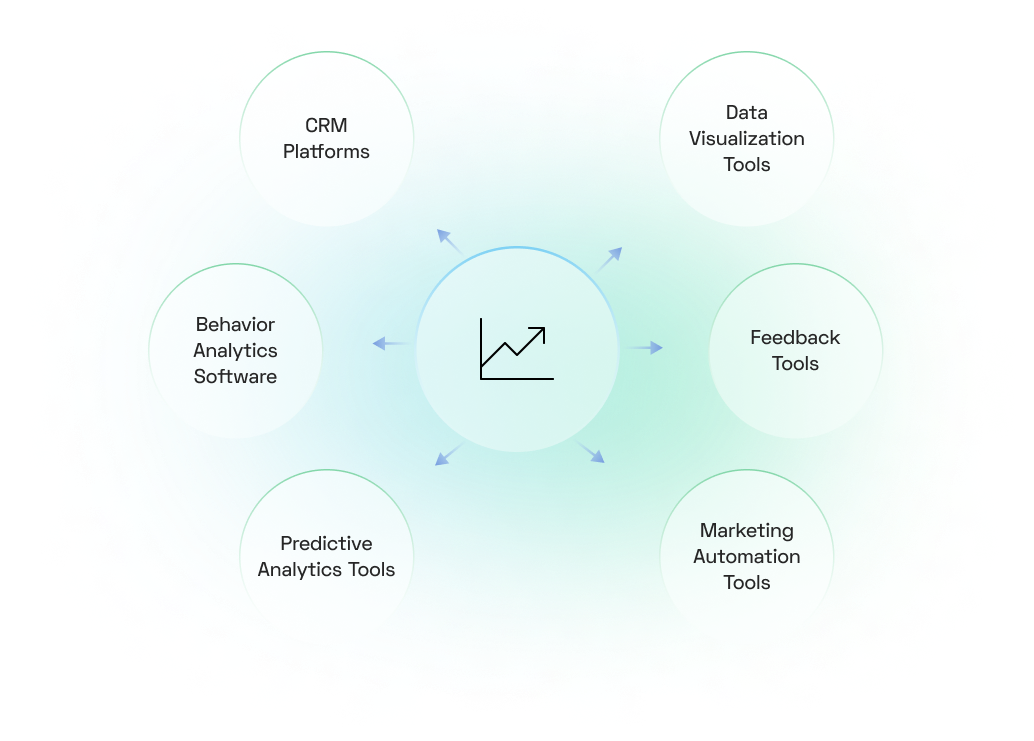
To effectively track and combat silent churn, having the right tools and technologies in place is essential. These tools can help you gather, analyze, and act on customer data with precision, allowing you to focus on retention strategies that work. Below are some of the most impactful solutions for retention analytics:
1. Customer Relationship Management (CRM) Platforms:
CRM tools like Salesforce, HubSpot, and Zoho provide a centralized platform for tracking customer interactions, engagement history, and feedback. These systems help identify patterns of disengagement, enabling businesses to act before churn occurs.
2. Data Analytics and Visualization Tools
Platforms like Tableau, Power BI, and Looker transform raw data into actionable insights with intuitive dashboards and visualizations. These tools allow businesses to track key metrics like engagement frequency, purchase patterns, and feature usage trends in real time, all supported by robust Data Warehousing Services for efficient data management.
3. Behavior Analytics Software
Tools such as Mixpanel, Amplitude, and HCL Discover specialize in tracking how users interact with products, apps, or websites. These platforms provide detailed insights into feature usage, session durations, and activity flows, helping businesses pinpoint where and why users disengage.
4. Customer Feedback and Survey Tools
Gathering insights directly from customers is key to understanding their needs. Tools like SurveyMonkey, Qualtrics, and Google Forms help you collect structured feedback on what might be driving churn and what customers want improved.
5. Predictive Analytics and AI Tools
AI-powered platforms such as IBM Watson, RapidMiner, and SAS Analytics offer predictive modeling capabilities to forecast churn risks. By analyzing historical and real-time data, these customer churn prediction tools can flag customers most likely to disengage, enabling preemptive action.
6. Marketing Automation Tools
Solutions like MoEngage, HCL Unica, and Adobe Campaign help automate re-engagement campaigns based on customer behavior. For instance, a triggered email can be sent when a customer hasn’t logged in for a specific period, reminding them of the value your product offers.
7. Customer Success Platforms
Customer success tools provide insights into customer health scores, combining multiple data points like engagement metrics, support tickets, and product usage. These tools help prioritize customers needing immediate attention.
8. Retention Analytics Suites
All-in-one platforms like CleverTap, Braze, and Retention Science are specifically designed to manage retention strategies. These tools integrate user data, predict churn, and offer targeted engagement options to boost retention.
9. Loyalty Program Software
Loyalty platforms like Yotpo, Smile.io, and LoyaltyLion track customer participation in rewards programs. These tools help measure engagement with loyalty incentives, offering insights into what motivates repeat business.
Choosing the Right Tools
The ideal set of tools depends on your business model, customer base, and specific retention goals. A combination of CRM, behavior analytics, and predictive tools often yields the best results.
By investing in the right technologies, businesses can not only identify silent churn but also create a streamlined, data-driven process to win customers back and build long-term loyalty.
Implementing a Customer Retention Analytics Strategy: The CARE Framework
To tackle silent churn effectively, businesses need a structured approach that doesn’t just analyze data but translates it into actionable strategies. Enter the CARE Framework—a systematic method designed to help businesses Capture, Analyze, Respond, and Evolve using customer retention modeling. The CARE Framework offers a structured yet flexible approach to combating silent churn. Silent churn may be quiet, but with the right strategy, it doesn’t have to be invisible—or inevitable.
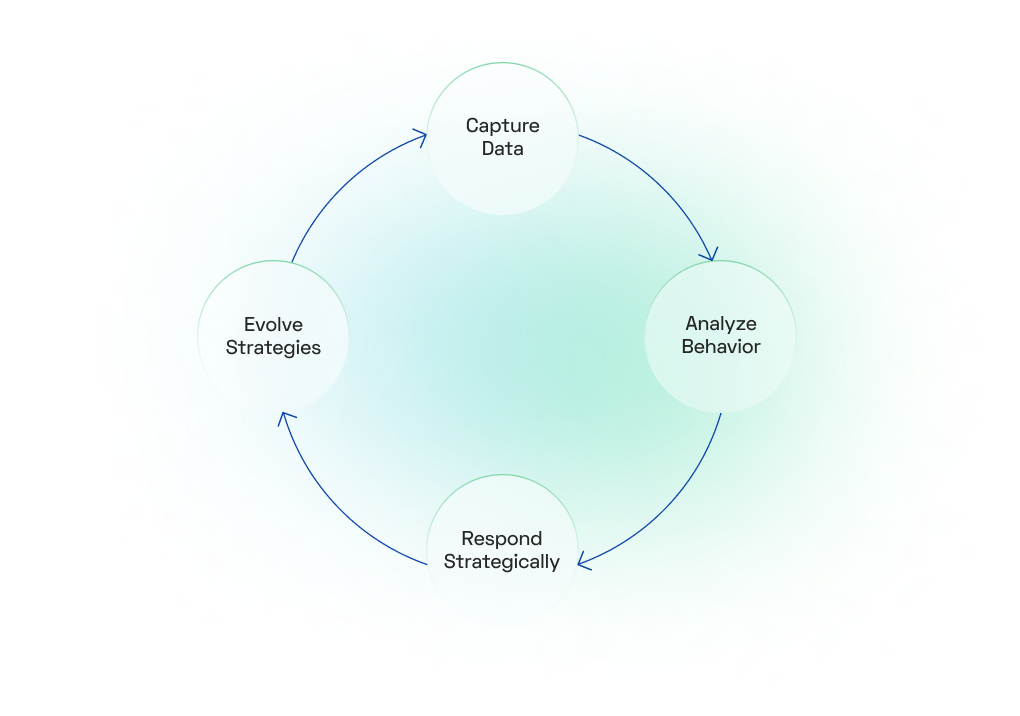
Capture: Collecting Actionable Data
The first step in addressing silent churn is understanding it. This means gathering comprehensive data across the customer journey. It’s not just about tracking obvious metrics like login frequency or purchase history—it’s about identifying subtle patterns. For example, has a user stopped engaging with key features they once relied on? Are they visiting your cancellation or refund pages? These quiet indicators often hold the key to understanding disengagement.
By capturing detailed and meaningful data, you set the foundation for making informed decisions. Focus on behavioral trends and interactions that reflect real customer sentiment rather than relying solely on high-level metrics.
Analyze: Interpreting Behavior and Timing
Data is only as good as the insights it provides. Analyzing customer behavior helps you understand why and when disengagement starts. Silent churn often begins at specific touchpoints in the customer lifecycle—after onboarding, during price changes, or near subscription renewals.
Predictive analytics tools can play a significant role here. They allow you to anticipate churn by identifying patterns that consistently precede disengagement, such as reduced feature usage or missed payments. These insights enable you to act before a customer becomes unreachable, ensuring your interventions are timely and relevant.
Respond: Taking Targeted Action
The most effective retention strategies are those that feel personal and deliberate. Use the insights gained from your analysis to design actions that resonate with individual customers.
For example, if a customer has stopped using a specific feature, provide them with a guide or tutorial tailored to their needs. If reduced spending is a concern, consider offering loyalty rewards or flexible pricing options. Automated, personalized messages triggered by inactivity can also be highly effective—reminders, offers, or even simple check-ins show that your business values their engagement.
Another powerful tactic is micro-interventions—small, targeted nudges that reintroduce value without overwhelming the customer. A well-timed tip or feature update can reignite interest and keep them connected to your product or service.
Evolve: Refining Strategies Over Time
Retention efforts shouldn’t end with a single campaign or action. The most successful businesses continuously refine their strategies based on real-world results. Use customer feedback and analytics to assess the effectiveness of your interventions. Did the re-engagement offer work? Were personalized messages effective? What patterns led to the most successful outcomes?
By creating a feedback loop, you can adapt your approach to changing customer behaviors and preferences. Over time, this iterative process not only reduces silent churn but also strengthens your overall customer relationships.
Conclusion
Silent churn is a formidable challenge, but it doesn’t have to be a silent killer of your business. With the right tools, insights, and strategies, businesses can turn disengagement into opportunity. Customer retention analytics provides a clear pathway to understanding the behaviors and preferences of your audience, allowing you to intervene before customers quietly walk away.
The CARE Framework—Capture, Analyze, Respond, and Evolve—ensures your user retention model is not just reactive but proactive, delivering timely and meaningful actions that keep customers engaged. By leveraging data to uncover hidden patterns, designing personalized re-engagement campaigns, and continuously refining your approach, you can transform silent churners into loyal advocates.
The message is clear: in a competitive market, indifference is the real enemy. To win the loyalty game, act early, act decisively, and always let your customers know they’re valued. Silent churn may be quiet, but with a focused retention strategy, it doesn’t have to be invisible—or irreversible.
Ram Prabhakar
Head of Solutions and Content
Xtelligence Inbox.
Your weekly dose of marketing smarts!
Related Posts


Digital Analytics
Real-Time Personalization Is Losing You Conversions. Here Is How to Take Them Back.

















Digital Analytics
Customer Segmentation: Using Predictive & Adaptive Models for Targeted Marketing