Interactions Correctly?


From Mapping to Optimization: The Ultimate Customer Journey Model Playbook


Guide to Optimize Customer Journey With Adobe
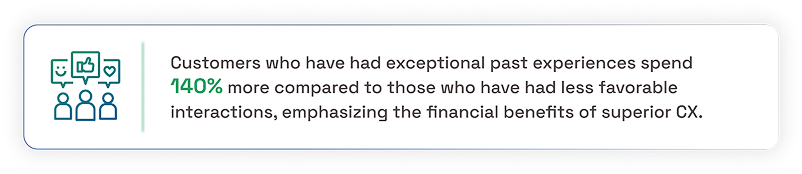
Customer journeys are increasingly complex, spanning multiple channels and touchpoints. Businesses must adapt by leveraging data, analytics, and evolving frameworks to refine their approach.
Understanding how customers interact with a brand is critical for business success. A customer journey model provides a structured approach to mapping these interactions, offering insights that drive better engagement, improved conversions, and sustained loyalty.
This article explores the customer journey model, its evolution in the digital age, the types of custom journey models and more.
Why Every Business Needs a Data-Driven Customer Journey Model
A customer journey model is a structured framework that maps out the steps a customer takes from initial awareness to post-purchase engagement. It provides businesses with a data-driven view of user behavior, helping them optimize interactions at every stage.
A well-defined model improves customer experience (CX), increases conversions, and enhances retention by identifying pain points and opportunities for engagement.
The importance of customer journey models lies in their ability to align marketing, sales, and customer service efforts. By leveraging behavioral analytics, businesses can refine messaging, personalize experiences, and drive higher ROI. Without a precise model, companies risk fragmented strategies that fail to meet customer expectations.
Evolution of Customer Journey Models
Traditional customer journey models followed a linear path, often represented as Awareness, Consideration, Decision, and Retention. However, digital transformation has disrupted this structured progression. Today’s journeys are:
- Nonlinear: Customers interact with brands across multiple channels simultaneously.
- Omnichannel-driven: Digital touchpoints such as social media, mobile apps, and AI-powered chatbots influence decision-making.
- Data-centric: Advanced analytics, machine learning, and customer data platforms (CDPs) enable real-time personalization.
Modern frameworks, such as the looping decision journey and AI-enhanced predictive models, account for dynamic consumer behavior, enabling businesses to anticipate needs and drive engagement proactively.

Key Components of Customer Journey Models
Understanding the core stages, touchpoints, and data-driven insights outlined in the following sections enables businesses to create a seamless, optimized customer journey that enhances engagement and retention.
Stages in a Customer Journey Model
A structured customer journey model consists of distinct stages that guide customer interactions with a brand. The four core elements of the customer experience model include:
- Awareness - Customers recognize a need or problem and seek potential solutions. Marketing, advertising, and word-of-mouth play key roles in this stage.
- Consideration - Customers evaluate different solutions, comparing features, benefits, and costs. Product demos, reviews, and personalized content influence decision-making.
- Purchase - The transactional phase where customers make a decision and complete a purchase. Seamless checkout processes and strong customer support are critical.
- Retention & Advocacy - Post-purchase engagement determines loyalty. Exceptional support, personalized follow-ups, and community building drive long-term relationships.
The Role of Touchpoints in Shaping the Customer Experience
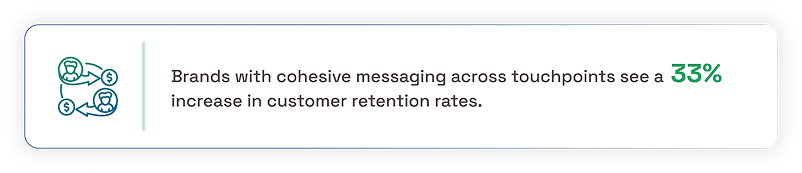
Touchpoints play a crucial role in shaping customer experiences across multiple channels, including websites, social media, customer service, and in-store interactions. Consistency in messaging across touchpoints enhances brand perception and retention.
Multichannel integration ensures a seamless experience, improving engagement and satisfaction, while identifying and addressing pain points optimizes interactions and reduces friction.
Understanding Customer Emotions and Expectations at Each Stage
Customer emotions directly impact decision-making. Brands that align with emotional needs see higher engagement and conversions.

Customer Journey Data Models: How Data Informs Better Mapping
Data-driven customer journey mapping enhances accuracy and personalization. Key data models include:
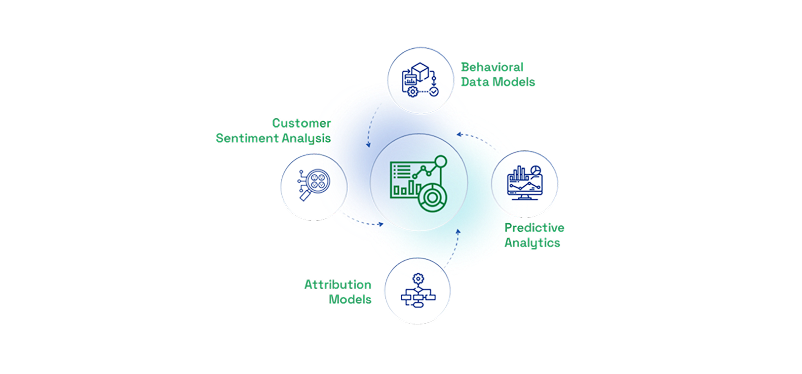
Behavioral Data Models capture a comprehensive view of customer interactions across various touchpoints, including website visits, email engagements, and purchase patterns.
These insights help businesses anticipate customer needs and refine engagement strategies.
Predictive Analytics analyze historical and real-time data using AI and machine learning to forecast customer preferences. This enables businesses to design proactive and highly personalized experiences.
Attribution Models evaluate the effectiveness of different customer touchpoints in influencing conversions. A clear understanding of touchpoint performance helps businesses optimize marketing spend and improve customer acquisition strategies.
Customer Sentiment Analysis leverages text analytics and Natural Language Processing (NLP) to interpret customer reviews, feedback, and social media conversations.
These insights provide an emotional context that helps businesses create more meaningful and empathetic interactions.
By understanding these key components, businesses can create a structured, data-backed approach to optimizing customer journeys for greater impact.
Different Types of Customer Journey Models
With consumers navigating multiple touchpoints across digital and physical channels, traditional linear models no longer capture the complexity of modern decision-making.
Customer journey models range from structured, predictable frameworks to dynamic, real-time interactions shaped by data and technology.
Linear vs. Non-Linear Customer Journey Models
Traditional marketing frameworks assume a linear customer journey where consumers move predictably from awareness to purchase. However, digital transformation and omnichannel interactions have disrupted this model.
- Linear Models: Typically follow a structured path - awareness, consideration, purchase, and loyalty. These are useful for high-involvement purchases or industries with lengthy decision-making cycles.
- Non-Linear Models: Consumers enter and exit at different stages, influenced by multiple touchpoints such as social media, reviews, and peer recommendations. According to Google, 60-70% of consumers engage with multiple channels before making a purchase decision, highlighting the complexity of modern journeys.
The AIDA Model in the Customer Journey
The AIDA framework (Attention, Interest, Desire, Action) remains a foundational model for mapping customer journeys but has evolved with digital touchpoints.
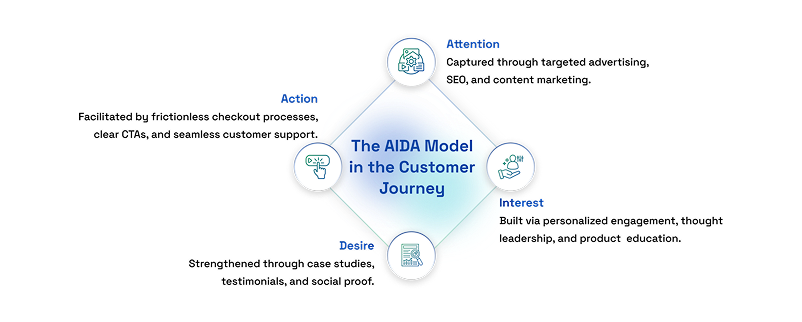
Though still relevant, AIDA is often supplemented with post-purchase considerations like retention and advocacy, reflecting modern consumer behavior.
Omnichannel Customer Journey Models
An omnichannel-based customer journey approach ensures consistency across platforms, acknowledging that customers interact with brands through multiple channels before conversion.
- Cross-Channel Engagement: Studies show that brands using three or more channels in a campaign achieve a 287% higher purchase rate than single-channel approaches.
- Seamless Integration: Customers expect unified experiences across in-store, mobile, web, and social media. Amazon, for instance, combines in-store shopping with mobile app recommendations and voice search to guide purchase decisions.
- Data-Driven Optimization: AI and machine learning refine customer journeys in real-time, predicting behaviors and personalizing interactions.
The Modern Customer Journey Model: Adapting to Changing Consumer Behavior
Consumer expectations evolve rapidly, requiring adaptable frameworks.
- Self-Directed Research: 81% of consumers conduct online research before purchasing, bypassing traditional advertising.
- Loyalty Loop: Instead of a final purchase stage, modern models emphasize post-purchase engagement, encouraging repeat business and advocacy.
- Experience-Centric Journeys: Brands prioritize CX, as 86% of buyers are willing to pay more for a superior experience.
Incorporating real-time analytics and predictive modeling ensures businesses remain aligned with shifting consumer behaviors. The new customer journey model is no longer a path - it is a dynamic, data-driven ecosystem.
Mapping & Optimizing the Customer Journey
A well-defined customer journey mapping model provides businesses with a structured approach to understanding customer interactions, pain points, and opportunities for engagement.
By integrating data-driven insights and AI-powered optimization techniques, organizations can enhance every stage of the journey, ensuring seamless and personalized experiences.
How to Create a Customer Journey Map
A customer journey map model visualizes the end-to-end experience of a customer across various touchpoints and interactions. The process of creating an effective journey map involves:
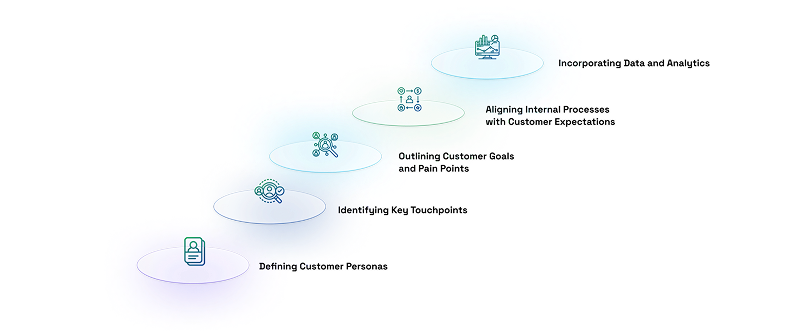
- Defining Customer Personas based on demographic data, behavioral insights, and preferences. A well-researched persona helps map distinct journeys tailored to different customer segments.
- Identifying Key Touchpoints across channels such as websites, social media, emails, customer support, and offline interactions. Mapping these ensures that no critical engagement points are overlooked.
- Outlining Customer Goals and Pain Points to understand what customers aim to achieve and where friction occurs. This insight allows businesses to optimize interactions for a smoother experience.
- Aligning Internal Processes with Customer Expectations by evaluating how marketing, sales, and support teams interact at different stages of the journey. A seamless internal alignment ensures consistency in customer interactions.
- Incorporating Data and Analytics to enhance journey accuracy. By leveraging behavioral data, sentiment analysis, and predictive analytics, businesses can create dynamic journey maps that evolve with customer needs.
Best Practices for Optimizing Each Stage of the Journey
Optimizing the customer journey requires businesses to fine-tune interactions at every stage to improve engagement and conversion rates. Key best practices include:
- Awareness Stage: Leverage targeted content marketing, SEO, and social media campaigns to attract the right audience and create brand visibility.
- Consideration Stage: Offer valuable comparisons, case studies, and product demos to educate customers and simplify decision-making.
- Purchase Stage: Streamline checkout processes, ensure transparent pricing, and provide multiple payment options to reduce friction.
- Retention Stage: Enhance customer service, introduce loyalty programs, and personalize communication to encourage repeat engagement.
- Advocacy Stage: Encourage user-generated content, implement referral programs, and actively engage with brand ambassadors to build a strong community.
Leveraging AI and Analytics for Customer Journey Optimization
AI and analytics platforms play a crucial role in refining customer journeys. Predictive analytics can anticipate customer needs and personalize experiences based on past behavior. Machine learning models analyze customer interactions to suggest improvements and automate engagement strategies.
Customer journey optimization tools like AI-driven chatbots and virtual assistants enhance customer support, reducing response times and increasing satisfaction. Sentiment analysis helps gauge customer emotions, allowing brands to address concerns proactively.
Customer Journey Attribution Models: Understanding Impact Across Channels
A customer journey attribution model identifies which touchpoints contribute most to conversions and customer engagement. Businesses rely on attribution models to allocate resources effectively and optimize marketing efforts. Common models include:
| Attribution Model | Description |
|---|---|
| First-Touch Attribution | Assigns full credit to the first interaction, helping understand initial engagement drivers. |
| Last-Touch Attribution | Attributes conversion credit to the final interaction, providing insights into closing strategies. |
| Linear Attribution | Distributes credit equally across all touchpoints, recognizing the role of every interaction. |
| Time-Decay Attribution | Gives more weight to recent interactions, balancing early and late-stage influences. |
| Multi-Touch Attribution | Evaluates the combined impact of multiple touchpoints, offering a holistic view of the customer journey. |
Understanding attribution models allows businesses to refine marketing strategies, optimize spending, and enhance customer acquisition efforts.
By integrating AI-driven analytics, structured journey mapping, and strategic attribution modeling, businesses can create an optimized customer journey that drives engagement, conversions, and long-term loyalty.
Optimizing Customer Engagement with a Data-Driven Customer Journey Model
A leading private sector bank in India struggled with disconnected touchpoints, manual campaigns, and ineffective cross-selling. With limited data integration, customer interactions lacked personalization and real-time relevance.
Challenges in the Existing Journey
- Siloed Touchpoints - Inconsistent experiences across channels.
- Limited Campaigns - Just 30 campaigns per year failed to drive engagement.
- Underutilized Data - Scattered insights prevented personalization.
- Ineffective Cross-Selling - Random, untargeted offers led to poor conversions.
Building a Data-Driven Customer Journey Model
Xerago introduced automation, event-driven engagement, and real-time personalization to transform the bank's customer journey.
- Unified Journey Mapping - Mapped interactions across touchpoints, ensuring seamless engagement.
- Event-Based Triggers (200+ Triggers) - Automated real-time actions based on customer behavior, like high-value transaction alerts triggering personalized investment offers.
- Personalized Cross-Sell Journeys - AI-driven segmentation matched customers with relevant financial products.
- Omnichannel Engagement - Integrated email, SMS, app, and call center for consistent messaging.
- Marketing Automation - "Lights-out" campaigns ensured continuous, data-backed engagement.
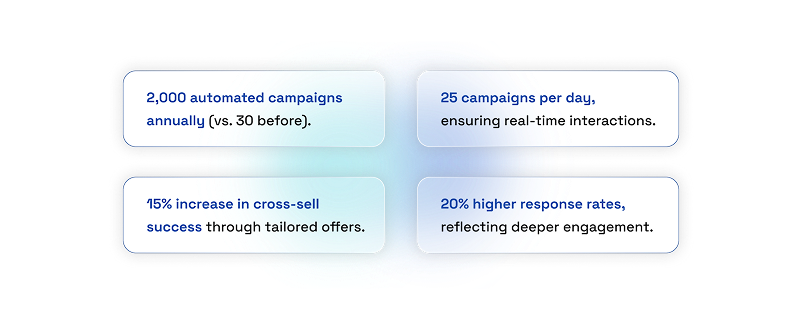
By leveraging AI, automation, and behavioral triggers, the bank redefined engagement, driving higher conversions, stronger relationships, and real-time marketing precision.
A well-structured customer journey model is the foundation for meaningful interactions. By leveraging behavioral data, predictive analytics, and omnichannel engagement, businesses can create seamless, personalized experiences that drive conversions and long-term loyalty.
The future belongs to those who integrate automation, AI, and real-time insights into their customer journey strategies.
From mapping key touchpoints to optimizing engagement with event-driven marketing and attribution models, brands that embrace a data-first approach will not only enhance customer satisfaction but also maximize revenue.
Businesses that take a proactive approach will stand out, build deeper relationships, and drive sustainable growth in an ever-evolving digital landscape.
Ashvini SK
Senior Content Writer
Xtelligence Inbox.
Your weekly dose of marketing smarts!
Related Posts


Digital Analytics
Real-Time Personalization Is Losing You Conversions. Here Is How to Take Them Back.

















Digital Analytics
Customer Segmentation: Using Predictive & Adaptive Models for Targeted Marketing