Interactions Correctly?


What Is Personalized Marketing? Strategies, Examples, and Tools Explained

Get Free Guide to Enhance Personalization with MarTech
In marketing, personalization is often viewed as something reserved for consumer brands. But in reality, businesses across all sectors face the same challenge: standing out in crowded markets where prospects often feel like just another data point.
True personalization isn't just about using someone's name in an email; it's about understanding your audience's unique challenges, priorities, and goals. It's about crafting messages and solutions that speak directly to their needs, building trust, fostering deeper relationships, and delivering real value.
Yet, many organizations struggle to unlock the full potential of personalized marketing. Whether it's navigating complex data, scaling personalization efforts, or meeting ever-evolving customer expectations, the challenges are real—but so are the opportunities.
In this article, we'll explore actionable strategies and insights to help you overcome these hurdles, create meaningful connections, and make your marketing efforts truly resonate.
What Is Marketing Personalization?
Marketing personalization is a strategy to tailor your brand's messaging, content, and offerings to meet the unique preferences, needs, and behaviors of individual customers. It's about moving away from the "one-size-fits-all" approach and creating experiences that feel custom-made for each person.
At its core, marketing personalization uses data—like browsing history, purchase habits, location, and even engagement patterns—to deliver relevant and meaningful interactions across touchpoints. Instead of generic ads or recommendations, customers receive messages that resonate with them on a personal level.
Personalized marketing not only captures attention but also builds stronger, more loyal relationships.
Why It Is Important to do Personalization?
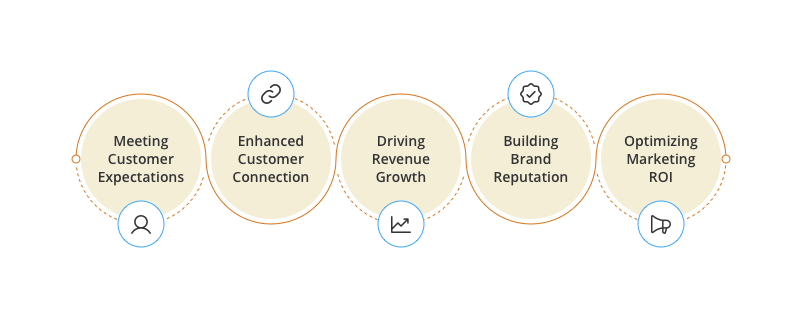
Personalizing your marketing strategy means delivering the right message to the right person at the right time, making your brand stand out in the noise. Here's why it matters:
Meeting Customer Expectations
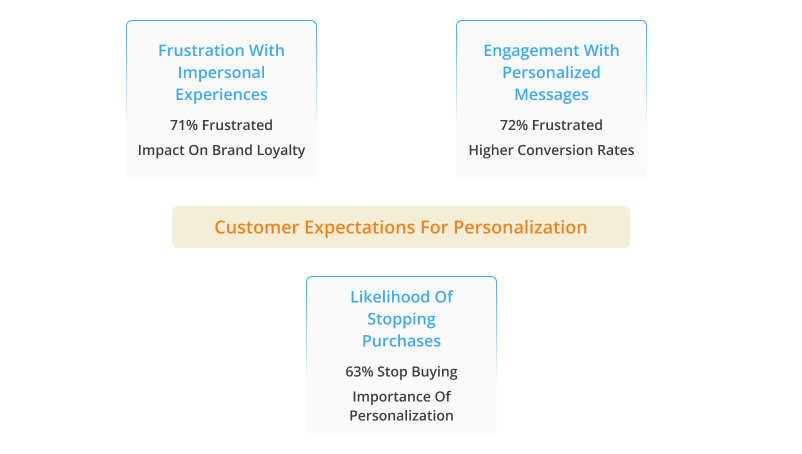
A significant majority prefer brands that understand their preferences and offer personalized marketing solutions. Whether it's a streaming service recommending your next favorite show or an online store remembering your size, meeting these expectations keeps your audience engaged and loyal.
Enhanced Customer Connection
People want to feel seen and valued, not just treated as another data point. Personalized marketing creates meaningful interactions by addressing customers by name, remembering their preferences, and solving their unique pain points. This deepens the emotional connection between your brand and your audience, turning one-time buyers into lifelong advocates.
Driving Revenue Growth
Studies show that tailored product recommendations, dynamic pricing, and relevant content can significantly boost conversion rates and average order value. The more relevant your messaging, the more likely your customers are to make a purchase.
Building Brand Reputation
Companies like Starbucks go above and beyond to personalize their interactions with customers. Such personalized experiences leave a lasting impression, they're more likely to rave about your brand to friends, family, and their social networks, amplifying your reach and reputation organically. Tools like DesignWiz help businesses create a flyer that align with their brand personality, making every customer touchpoint more memorable and consistent.
Optimizing Marketing ROI
Why waste resources on campaigns that don't hit the mark? Personalization helps you target the right audience with the right message at the right time, ensuring that every dollar spent drives impact. It's a smarter way to allocate your marketing budget while maximizing returns.
Data Required To Do Marketing Personalization
At the heart of effective marketing personalization lies data, the fuel that powers tailored experiences and connects brands with their audiences. The right data transforms generic interactions into meaningful connections, but not all data is created equal. Here are the key data categories required:
1. Who They Are: Demographic Data
Examples: Age, gender, location, income, job title.
Why It Matters: Helps define basic customer segments for targeted campaigns.
2. What They Do: Behavioral Data
Examples: Website visits, clicks, purchase history, cart abandonment.
Why It Matters: Reveals customer interests and intent for timely, relevant messaging.
3. What They Care About: Psychographic Data
Examples: Interests, hobbies, values, personality traits.
Why It Matters: Builds emotional connections with personalized content.
4. What They Spend: Transactional Data
Examples: Purchase history, average order value, payment methods.
Why It Matters: Tailors offers based on spending habits and loyalty.
5. Where and When They Interact: Contextual Data
Examples: Device type, location, time of day, preferred channels.
Why It Matters: Powers real-time personalization based on their context.
6. Who They Work For (B2B): Firmographic Data
Examples: Company size, industry, revenue, decision-maker role.
Why It Matters: Personalizes outreach for businesses based on their organization type.
7. How They Engage: Engagement Data
Examples: Social media activity, content downloads, survey responses.
Why It Matters: Fine-tunes messaging based on how they interact with your brand.
8. What You Know Firsthand: First-Party Data
Examples: Data from website forms, apps, and direct surveys.
Why It Matters: Ensures accuracy and relevance for detailed customer profiles.
9. What's Likely to Happen: Predictive Data
Examples: AI-driven insights like churn probability and product preferences.
Why It Matters: Enables proactive personalization to meet future needs.
10. What Others Provide: Third-Party Data
Examples: External data from providers to enhance profiles.
Why It Matters: Expands your view when first-party data is limited.
11. How They Feel: Sentiment Data
Examples: Reviews, survey responses, social media comments.
Why It Matters: Personalizes tone and messaging based on customer sentiment.
Personalization is only as good as the data you collect. Focus on accuracy, privacy, and actionability to create experiences that customers will value and remember.
10 Effective Marketing Personalization Strategies
Customers now expect brands to deliver relevant and meaningful experiences tailored to their unique needs. Let's dive deeper into 10 highly effective personalization strategies that can revolutionize your approach to customer engagement.
1. Dynamic Product Recommendations: Knowing What Your Customer Want
Dynamic product recommendations are at the heart of personalized marketing, offering suggestions that align with individual customer preferences and behaviors.
You can do this by:
- Collecting customer data, including browsing history, purchase patterns, and wishlist items.
- Leveraging AI and predictive analytics to generate personalized recommendations such as:
- "Frequently Purchased Together"
- "Trending Products"
- "Top Picks for You"
This type of personalization strategy doesn't just enhance the shopping experience—it drives sales! Brands like Amazon credit 35% of their sales to their recommendation engine. With marketing automation tools, you can automate this magic, showing customers what they want, when they want it.
Pro tip: Invest in AI-driven platforms to continuously refine your recommendations based on evolving customer data.
2. Zero-Party Data: When Customers Tell You What They Want
As experts put it, zero-party data is the future. It's about asking, not guessing, and building trust in the process.
Forget guessing games. Zero-party data puts customers in control, letting them share preferences directly with you.
How It Works:
- Create interactive tools that make data-sharing fun and valuable for customers and highlight the benefits they'll receive from sharing their preferences.
- Collect zero-party data through tools like preference surveys, product quizzes, or interactive polls.
- Use this data to craft offers and experiences that align with customer expectations.
Not only does this build trust, but it also makes your marketing feel thoughtful and personal. When customers choose to share, the results speak for themselves—better engagement, loyalty, and satisfaction.
Sephora uses quizzes to collect preferences and recommends products accordingly, driving loyalty and boosting sales. This direct data collection ensures customers feel valued and understood.
3. Unified Customer Profiles: See Your Customers Like Never Before
What if you had a complete picture of your customers—one that updates every time they interact with your brand? That's exactly what unified customer profiles deliver.
Without a unified profile, personalization becomes fragmented. A cohesive view enables brands to deliver seamless experiences.
Start by:
- Aggregating data: Collect information from all touchpoints (web, apps, stores, social media).
- Building rich profiles with:
- Purchase history
- Browsing behavior
- Favorite channels and times for interaction
- Update in Real-Time: Use automation tools to ensure profiles evolve with every customer interaction.
For example, you can use marketing platforms like Customer Data Platform (CDP) to not only unify this data but keep it constantly updated. This 360-degree view ensures no detail falls through the cracks, setting the stage for next-level personalization.
Takeaway: Adopt a CDP to ensure profiles are consistently updated, providing actionable insights for hyper-targeted campaigns.
4. Intelligent Recommendations: Aim for Precision, Not Guesses
Let's face it: Not all customers are the same. Intelligent segmentation helps you group them based on behaviors and preferences for laser-focused marketing.
You can:
Quickly create predefined segments like:
- Cart abandoners
- High-value customers
- Product page visitors
Use AI to refine these groups further by analyzing:
- Purchase likelihood
- Churn risk
- Discount affinity
Continuously analyze and adjust segmentation to reflect current behaviors.
Spotify's "Discover Weekly" playlist leverages intelligent recommendations to deliver personalized music suggestions.
AI-driven segmentation refines customer groups, making personalization scalable and effective. These intelligent recommendations increase upsell and cross-sell opportunities, driving revenue while enhancing the shopping experience.
You can also combine traditional segmentation with AI-driven insights to uncover hidden opportunities.
5. Personalized Onboarding: First Impressions That Last
First impressions matter. A personalized onboarding experience makes new customers feel valued and supported.
You can:
- Map out the customer journey and design onboarding touchpoints that feel personalized and supportive.
- Customize welcome emails and tutorials based on customer preferences.
- Offer step-by-step guides aligned with their goals.
This proactive approach not only reduces churn but sets a positive tone for the entire customer relationship.
In fact, Duolingo uses personalized onboarding to suggest language courses based on user preferences, keeping new users engaged from the start.
6. Conversational Personalization: It's Always Good to Talk
Netflix's AI-driven customer support personalizes responses based on viewing history, ensuring issues are resolved faster and more effectively.
Whether it's chatbots or live chat, personalized conversations build trust and engagement. Customers value authentic, data-driven conversations that feel tailored to their needs.
How It Do It:
- Use live chat, chatbots, or personalized email responses to engage in meaningful conversations.
- Incorporate customer data to make the interaction feel tailored.
- Combine AI with human oversight to ensure conversations remain empathetic and accurate.
Conversational personalization humanizes communication, builds trust, and strengthens customer relationships.
7. Smart Website and Mobile App Personalization
Personalizing your website is one of the quickest ways to increase engagement and conversions. Your website and app are your digital storefronts—personalization ensures they make a lasting impression.
How It Works:
- Display tailored recommendations, dynamic banners, and personalized search results.
- Use tools to add Instagram-like stories with custom product suggestions.
- Adjust website elements based on browsing behavior.
8. Data-Driven Optimization: Always Stay Ahead
Brands that leverage data-driven insights are 20% more likely to retain customers. One of the best examples is Coca-Cola. They use real-time data to optimize campaigns, delivering hyper-relevant ads and content that resonate globally.
Personalization is a journey, not a destination. Continuous optimization ensures you stay relevant.
Here's how you can do it:
- Use analytics tools to track customer behavior, engagement, and conversion rates.
- Adjust targeting, messaging, and delivery based on insights.
Data-driven optimization ensures your efforts remain relevant, effective, and aligned with customer needs.
Pro tip: Leverage tools like Google Analytics and Tableau to derive actionable insights from your data.
9. AI-Powered Customer Journeys: Predict, Don't React
Starbucks' loyalty app uses AI to send personalized drink recommendations, increasing repeat purchases.
Artificial Intelligence enables brands to deliver the right message at the right time, making customer journeys feel effortless. AI can transform customer journeys from reactive to predictive, ensuring every touchpoint is optimized.
AI analyzes vast amounts of customer data in real time.
How It Works:
- Use AI platforms to predict preferences and automate personalization.
- Choose applications that include dynamic content, predictive product recommendations, and chatbot interactions.
AI-powered personalization enables brands to deliver timely, relevant experiences that scale with growing customer bases.
10. Omni-channel Personalization: Consistency Is Everything
Customers move across channels, and your messaging should move seamlessly with them.
Omni-channel personalization isn't about being everywhere—it's about creating consistent, cohesive experiences everywhere your customers are.
You can:
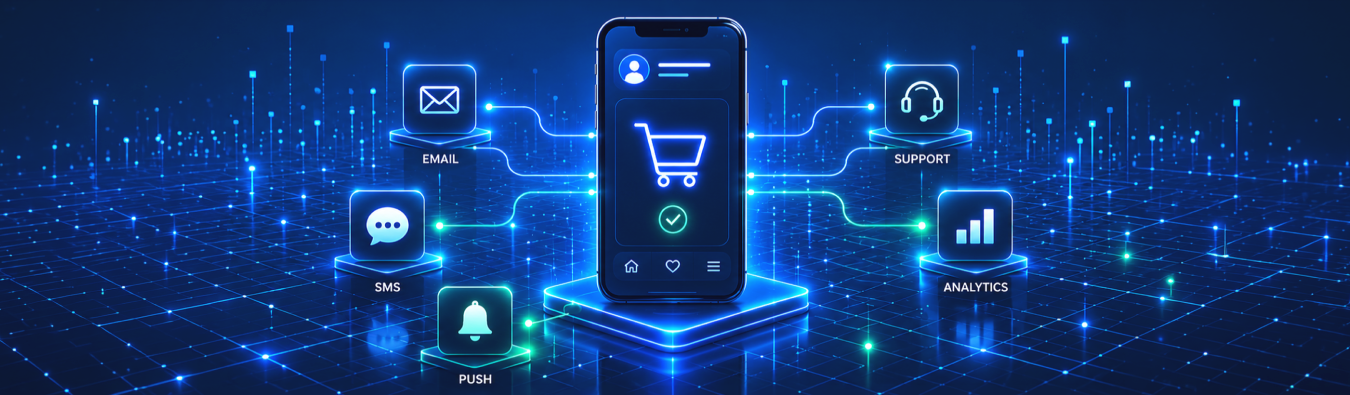
- Sync data across email, social media, SMS, and in-store interactions.
- Channel-Specific Personalization: Personalize each channel based on customer preferences.
You can adopt tools like HubSpot or Adobe Experience Cloud to unify omni-channel efforts.
Also Read: 5 Effective Personalization Strategies for E-commerce Success
Tools Used for Personalized Marketing
Personalized marketing thrives on the power of advanced tools and technologies. These marketing personalization tools streamline everything—from collecting customer insights to delivering tailored messages across multiple channels. Here's a rundown of the essential tools you can add to your personalization tactics:
Customer Data Platforms (CDPs)
CDPs like Segment, BlueConic, and Tealium centralize data from various touchpoints to create unified customer profiles. These profiles enable hyper-targeted personalized marketing campaigns by integrating data from websites, apps, social media, and more.
- Use Case: Track customer interactions across devices and deliver seamless omnichannel experiences.
Artificial Intelligence (AI) Tools
AI-driven tools like ChatGPT, Adobe Sensei, and Google Cloud AI are revolutionizing personalized marketing by enabling real-time insights, predictive analytics, and hyper-personalized interactions.
Use Case:
- Generate personalized product recommendations using AI algorithms.
- Enhance chatbots for delivering human-like, tailored customer support.
- Automate content creation, like generating email subject lines or ad copy.
Customer Relationship Management (CRM) Tools: Building Relationships
CRMs such as Salesforce, HubSpot, and Zoho CRM store customer details, track sales, and manage engagement history. These tools are the backbone of personalized communication.
Use Case: Automate follow-ups based on a customer's purchase history or interactions.
Customer Journey Mapping Tools
Understanding and enhancing the customer journey is critical for successful personalization. Tools like Smaply, Lucidchart, and Custellence enable you to map every interaction customers have with your brand.
Key Components of Journey Mapping:
- Awareness Stage: Identify how customers discover your brand.
- Consideration Stage: Analyze the touchpoints where customers compare options.
- Decision Stage: Optimize the final steps before purchase.
Use Case: Use journey mapping insights to ensure consistent messaging across email, social media, and your website.
Email Marketing Tools
Email remains a cornerstone of personalized marketing. Tools like Klaviyo, ActiveCampaign, and Mailchimp email marketing templates builder allow you to segment customers and create dynamic, personalized email campaigns.
Key Features:
- Behavioral Triggers: Send emails based on actions, like abandoned carts or purchases.
- Dynamic Content: Customize email elements for different audience segments.
- A/B Testing: Optimize subject lines, designs, and CTAs for maximum engagement.
Use Case: Deliver personalized product recommendations in a follow-up email after a site visit.
Social Media Analytics Tools: Real-Time Engagement
Platforms such as Sprout Social, Hootsuite, and Buffer help monitor engagement, audience preferences, and brand sentiment on social media.
Use Case: Create personalized marketing campaigns that align with trending topics or customer interests.
3 Key Personalized Marketing Examples
Here are a few standout examples of brands that nailed personalization, offering lessons for your own marketing strategy:
1. Charles Schwab's Intelligent Portfolios: Personalized Investment Recommendations by Robo-Advisors
Charles Schwab uses a robo-advisor platform to create tailored investment portfolios for its clients. By analyzing individual risk tolerance, financial goals, and timelines, the platform offers automated, yet highly personalized investment strategies.
For example, if a 35-year-old professional logs into Schwab's platform and completes a questionnaire about their financial goals.
- Primary Goal: Retire by 60 with $2 million in savings.
- Secondary Goal: Save for her child's college education.
- Risk Appetite: Moderate, willing to take some risks but prefers stability.
Based on the responses, the platform instantly generates a diversified portfolio with a mix of ETFs, stocks, and bonds designed to balance risk and returns. Over time, as market conditions change, the robo-advisor dynamically reallocates assets to ensure the portfolio remains aligned with the customer's goals. If they receive a bonus and add it to their investment account, the system recalculates their portfolio instantly to optimize growth.
2. HDFC Bank's SmartBuy Platform: Tailored Offers Through AI-Powered Apps
HDFC Bank uses artificial intelligence and machine learning to offer personalized rewards and discounts. These tailored offers are based on a customer's past spending patterns, preferences, and real-time engagement.
A frequent online shopper uses an HDFC credit card for electronics and grocery purchases. One day, they log into the SmartBuy platform and are greeted with:
- Exclusive Discounts: 20% off on Amazon's electronics category, aligned with past purchases of gadgets.
- Relevant Deals: A BigBasket cashback offer for grocery shopping, reflecting routine purchases.
- Customized EMI Options: A tailored installment plan for a recently searched high-value product—a smartphone they were considering.
The app goes further by sending push notifications about flash sales or reward points expiring soon, encouraging the customer to act quickly. By making them feel like every deal is crafted just for them, HDFC Bank ensures deeper engagement with its platform.
3. Walmart's Personalized Shopping Experience: Dynamic Pricing and Recommendations
Walmart enhances customer experiences by using real-time analytics to provide personalized shopping suggestions and dynamic pricing. Through its app, Walmart integrates purchase history, location data, and in-store behavior to create a smooth, tailored shopping journey.
For example, a family of four frequently uses Walmart's app for their weekly grocery run. The app recognizes their purchase habits, which typically include:
- Groceries: Milk, cereal, fruits, and vegetables.
- Household Essentials: Cleaning supplies and toiletries.
When the family opens the app, they are greeted with:
- Personalized Discounts: Offers on their frequently purchased items, like 10% off milk and cereal.
- Smart Reminders: A notification to reorder detergent, last purchased three weeks ago.
- In-Store Navigation: On their next trip to the store, the app provides a digital map directing them to the aisles for their selected items.
This seamless integration of data ensures that the family's shopping experience is faster, more convenient, and cost-effective, creating loyalty to the Walmart brand.
Conclusion
From intelligent recommendations to omnichannel personalization, the strategies and tools outlined here empower you to connect with customers on a deeper level, ensuring every interaction feels meaningful and relevant. It's time to go beyond generic campaigns and embrace a data-driven, customer-first approach. By collecting the right data, leveraging cutting-edge tools, and implementing effective strategies, you can turn personalization into your competitive edge.
Ram Prabhakar
Head of Solutions and Content
Xtelligence Inbox.
Your weekly dose of marketing smarts!
Related Posts