Interactions Correctly?


Cross Channel Marketing: How to Create Effective Strategy & Examples


Campaign Quality Checklist to Optimize Cross-Channel Campaigns
Customers engage with brands through a wide range of touchpoints social media, email, websites, mobile apps, and even in-store interactions. For businesses, ensuring that these touchpoints work together to provide a unified experience is key to building strong customer relationships. Cross-channel marketing enables brands to reach customers seamlessly across multiple platforms, ensuring that messaging and the overall experience remain consistent, no matter where or how the customer interacts with the brand.
Brands that excel in cross-channel marketing are 91% more likely to retain their customers, and those with an integrated marketing strategy see up to a 20% increase in sales.
Let's dive into the fundamentals of cross-channel marketing, how it differs from multi-channel and omnichannel strategies, and provide actionable steps to build an effective strategy.
What is Cross-Channel Marketing?
Cross-channel marketing is a strategy of reaching customers through multiple platforms or channels, creating a seamless and consistent experience throughout their journey. It involves integrating and coordinating a brand's marketing efforts across multiple channels to deliver a unified customer experience.
The goal is to create a seamless journey for the customer, so whether they’re interacting with the brand via email, social media, mobile apps, websites, or in-store, they feel like they’re part of a continuous, connected experience.
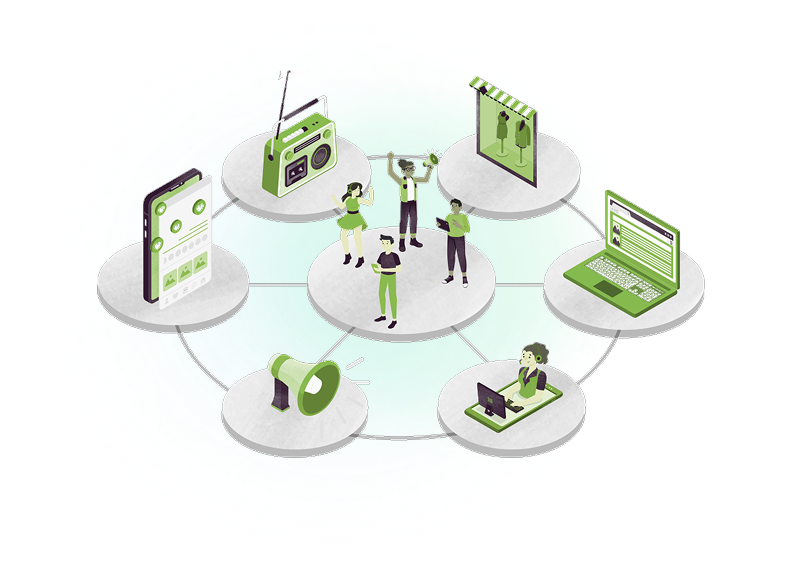
A customer might engage with your brand on Facebook, then check their email for a follow-up, and finally visit your website. Cross-channel marketing ensures that the messaging, offers, and overall brand tone stay consistent. No matter where a person encounters your brand, the experience should feel unified and familiar.
By creating touchpoints on different channels that complement each other, cross-channel marketing nurtures customers through multiple stages of their journey, from awareness to consideration to purchase. The more aligned and engaging the touchpoints, the more likely the customer will move toward conversion.
Understanding the Differences: Cross-Channel, Multi-Channel, vs Omni-Channel Marketing
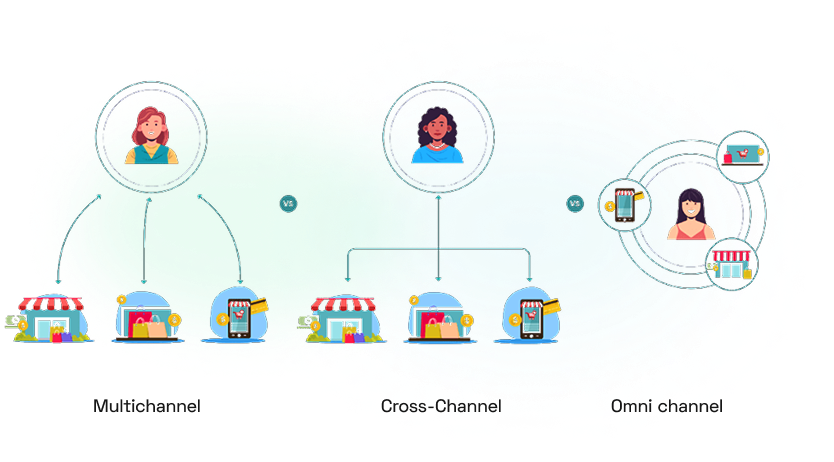
Multi-Channel Marketing: Involves using different channels to reach customers but does not integrate them. Each channel operates independently, which can result in a fragmented customer experience. For example, a customer may browse products online but face difficulty completing the purchase in-store due to a lack of synchronization between the two channels.
Cross-Channel Marketing: Unlike multi-channel marketing, cross-channel marketing integrates multiple channels, sharing customer data across them to create a cohesive experience. A customer who abandons their shopping cart online might receive a personalized email offering a discount or reminding them to complete the purchase.
Omni-Channel Marketing: Takes cross-channel marketing a step further by providing a truly unified experience. It ensures that customers can move seamlessly between both digital and physical touchpoints. For instance, a customer who browses online and visits a store will receive personalized attention based on their online activity.
How To Craft Effective Cross-Channel Marketing Strategy – Step By Step Guide
Creating an effective cross-channel marketing strategy requires careful planning and execution, ensuring that your messaging, branding, and tactics align seamlessly across all platforms.
Here’s a step-by-step guide to help you build a strong cross-channel marketing strategy that engages customers at every stage of their journey.
- Define Clear Objectives
- Understand Your Audience
- Choosing the Right Channel
- Craft Consistent Messaging
- Personalize Interactions
- Integrate Data for Seamless Tracking
- Create an Omnichannel Experience
- Measure & Optimize
1. Define Clear Objectives
Defining clear and specific objectives is the first crucial step in creating a successful cross-channel marketing strategy. Think about what you truly want to achieve from your marketing efforts. Your goals should align with your business’s overall objectives and contribute to its success. Common goals for cross-channel marketing include:
- Brand Awareness: Focus on broadening reach and delivering consistent messaging. Target new demographics, increase social media mentions, and improve search visibility.
- Lead Generation: Attract prospects showing interest by tracking metrics like email sign-ups, form submissions, or interactions with downloadable content.
- Sales Growth: Drive consumers through the buyer’s journey, aiming for increased conversions, in-store visits, or personalized offers to boost average order value.
- Customer Loyalty: Retain customers by encouraging repeat purchases, increasing lifetime value, or fostering brand advocacy through personalized offers and loyalty programs.
To ensure your goals are attainable and achievable, follow the SMART criteria:
Be specific about what you want to achieve. Instead of saying "increase sales," say "increase online sales by 20% within the next six months."
Understanding your customer journey is key to setting realistic and effective objectives. Depending on where your audience is in the journey (awareness, consideration, or decision stage), your objectives will vary. For example, at the awareness stage, your goal might focus on increasing social media visibility or improving SEO rankings.
2. Understand Your Audience
Start by gathering quantitative data about your target customers using CRM data, surveys, or online analytics tools like Google Analytics and Facebook Insights. Additionally, collect qualitative insights by observing customer behavior on your platforms, including website behavior, social media engagement, email interactions, and purchase behavior.
Once you have gathered this data, it’s time to translate it into buyer personas—detailed profiles representing your ideal customers.
Here’s an example of what this might look like:
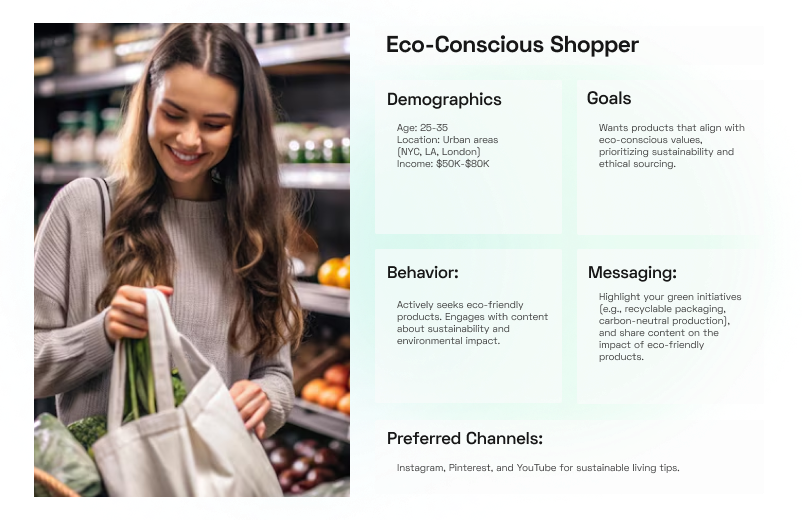
By using specific demographic, behavioral, and psychographic insights, you can create highly personalized and targeted campaigns for each segment of your audience, ensuring you choose the right channels and craft messaging that resonates on a deeper level.
3. Choosing the Right Channels
Choosing the right channels is key to reaching your audience and delivering the right message at the right time. Each channel has unique advantages, and when selected correctly, they guide customers through their journey from awareness to conversion.
The right channels depend on where your audience is most active. Use audience insights to determine preferred channels (e.g., millennials on Instagram, executives on LinkedIn). Each channel serves a specific purpose social media for brand awareness, email for offers and updates.
Ensure channels are integrated for a seamless journey. For example, after a Facebook ad, direct users to a detailed product page on your website, then retarget them with personalized offers through email.
Consistency and complementarity across channels are key to meeting customer expectations.
4. Craft Consistent Messaging
Consistent messaging builds a unified brand presence and delivers a seamless experience to your audience across all channels. While each platform may have unique characteristics, your brand’s core message, voice, and tone should remain consistent. This ensures that the audience recognizes your brand, no matter where they encounter it.
Consistent messaging means your brand communicates the same key message, values, and positioning across all channels. This includes:
- Brand Voice: The personality of your brand (e.g., friendly, professional).
- Brand Tone: The emotional quality (e.g., formal, casual).
- Core Message: The main value proposition you convey across all platforms.
For example, if your brand focuses on sustainability and innovation, those values should be consistently conveyed across all platforms, whether it’s your website, social media, or email marketing.
While the core message should remain consistent, the format and tone can vary depending on the platform. Adjust content to suit the specific context of each channel.
When your audience consistently encounters the same voice, tone, and message, they develop trust and familiarity with your brand. Trust is crucial for customer loyalty, as consumers are more likely to buy from brands they know and feel confident about.
Consistent messaging ensures that each channel amplifies the others. The message is reinforced across multiple touchpoints, increasing the chances of conversion. If the tone and core message are consistent, it encourages customers to take action—whether that’s visiting your website, signing up for your newsletter, or making a purchase.
5. Personalize Interactions
Personalizing interactions for each individual customer based on their behaviors, preferences, and past interactions with your brand. The goal is to make customers feel valued by delivering relevant, timely, and engaging content or offers that resonate with their needs and interests.
Utilize customer data and insights to create customized experiences across various touchpoints, such as:
- Targeted email campaigns based on past purchases or browsing behavior.
- Personalized ads on social media reflecting customer interests or recent interactions.
- Product recommendations on your website based on past purchases or viewed products.
- Customized messaging in customer service based on prior interactions.
For example, if a customer engages with your brand on Instagram by liking a post about a new product, follow up with a personalized email offering a discount or more details about the product.
How to Personalize Interactions
- Collect Data: Track behavior across websites, social media, email, purchases, and support.
- Segment Audience: Group by actions or demographics for targeted campaigns.
- Tailor Content: Offer personalized emails, dynamic website content, and retargeted ads.
- Automate Personalization: Use automation for real-time actions like abandoned cart emails.
- Leverage AI: Use AI for product recommendations and predictive insights to enhance personalization.
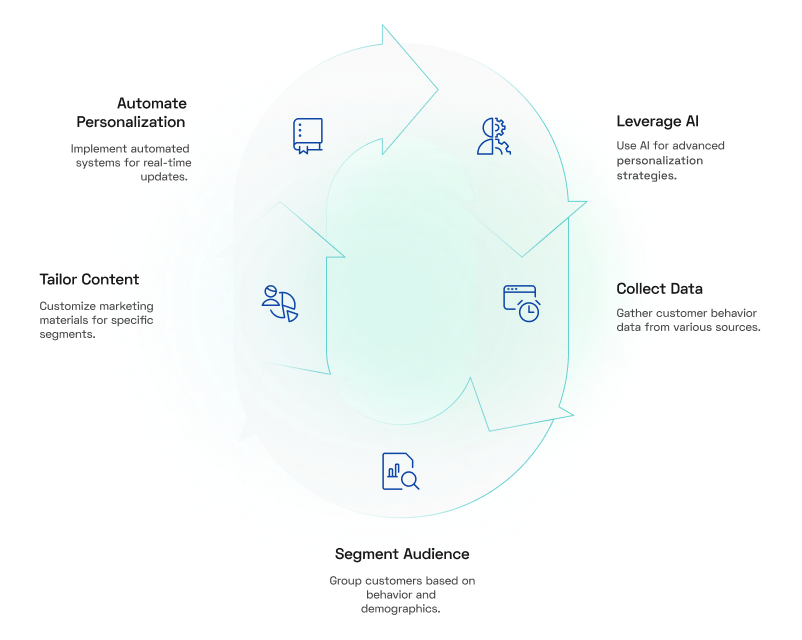
In cross-channel marketing, personalization is the key to creating an integrated, relevant, and cohesive customer experience. By using personalized interactions across different platforms, you ensure that each touchpoint supports the next, guiding customers seamlessly through their journey and enhancing overall engagement with your brand.
6. Integrate Data for Seamless Tracking
Collecting, consolidating, and storing customer interaction data from all marketing channels (social media, email, website, paid ads, etc.) into a centralized system, such as a Customer Relationship Management (CRM) tool or a Customer Data Platform (CDP), is key to achieving a unified view of customer interactions across touchpoints.
Once the data is collected, it must be cleaned and merged to create a single, unified customer profile. This ensures you have a comprehensive view of the entire customer journey.
Use the integrated data to create meaningful customer segments based on behaviors, interests, and engagement levels. For example, customers who’ve shown interest in a product on your website but haven’t made a purchase can be segmented and retargeted with personalized email campaigns.
By integrating data across channels, you can deliver a consistent experience. A customer’s behavior on one channel (e.g., interacting with an Instagram ad) can trigger personalized content on other channels (e.g., a tailored email or dynamic website content).
With all customer data in one place, you can personalize interactions more effectively across channels.
7. Create an Omnichannel Experience
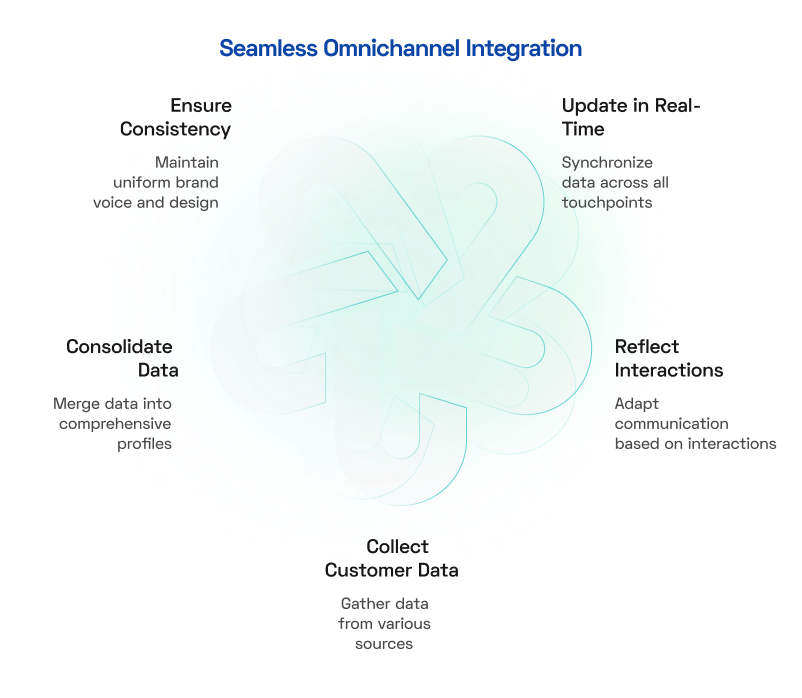
Create a seamless, integrated customer journey that spans all touchpoints, both online and offline. Customers should feel that they’re interacting with a unified brand, whether they’re engaging on social media, browsing your website, receiving emails, or visiting physical stores.
To achieve this, use tools like CRM or CDP to consolidate customer data from various channels into a single, comprehensive profile. This ensures that all customer interactions are personalized and that messaging remains consistent, no matter the touchpoint.
- Maintaining a uniform brand voice, design, and tone across platforms is crucial. Whether a customer is browsing your website, engaging with social media ads, or shopping in-store, they should instantly recognize your brand through consistent visual elements and communication style.
- Furthermore, ensure that interactions on one channel are reflected across others. For example, if a customer likes a post on Instagram, their profile should be updated, enabling customer service or email teams to tailor communication accordingly. If a customer adds a product to their online cart, they should be able to continue shopping seamlessly on a mobile app or in-store, with all their data synchronized.
- By updating customer data in real-time, you ensure smooth transitions across platforms. For example, if a customer adds an item to their cart on the website, they should see the same cart when they open the mobile app. Similarly, in-store purchases should update the customer's online profile instantly.
Providing a continuous, cohesive experience across all touchpoints helps build customer trust and loyalty. When customers can engage with your brand seamlessly, they're more likely to return and recommend your brand to others.
8. Measure and optimize
Measure and optimize your cross-channel marketing strategy using key performance indicators (KPIs) such as engagement, conversions, customer retention, and ROI across all channels.
Track metrics like conversion rate, revenue per visit, and customer acquisition cost (CAC) to assess how many visitors complete desired actions, such as making a purchase or signing up for a newsletter.
Use attribution models to understand how channels contribute to the customer journey. For example, first-click attribution shows the channel that initially introduced the customer, while last-click attribution highlights the channel that closed the sale.
Conduct A/B tests to compare different campaign elements, such as headlines, images, or call-to-action buttons. This helps determine what works best on each platform and resonates with your audience.
Continuously measure and optimize to stay flexible and adapt to changing customer preferences and behavior.
Why Cross-Channel Marketing is Essential for Modern Businesses?
Cross-channel marketing allows businesses to connect with customers across various platforms in a seamless and consistent way, building trust and driving deeper engagement.
Here are some reasons why cross-channel marketing is essential:
- Cross-channel marketing delivers a unified and consistent experience for your customers across all marketing channels. Instead of viewing each channel in isolation, you can organize interactions across channels to create a smooth customer journey for the consumer.
- By reaching consumers through multiple channels, you can increase the likelihood of engaging with them at various stages of the buying cycle.
- You gain a complete view of consumer behavior and preferences by tracking interactions across various touchpoints on how consumers engage with your brand throughout the customer journey.
- You can identify trends, patterns, and opportunities for optimization by continuously monitoring performance metrics across channels to optimize your campaigns based on real-time data and insights.
Challenges of Cross-Channel Marketing
While the benefits of cross-channel marketing are clear, implementing and managing cross-channel campaigns comes with its own set of challenges.
- Implementing cross-channel marketing requires consolidating data from various sources, such as online stores, email platforms, social media, and more. This process, known as data integration, is complex and time-consuming.
- Audiences are fragmented across numerous marketing channels and devices, so businesses struggle to reach and engage their target audience amidst this fragmentation. This leads to inefficient resource allocation and suboptimal campaign performance.
- Maintaining high data quality is important for deriving accurate insights and delivering personalized experiences. However, data quality issues, such as incomplete or outdated information, are pervasive challenges faced by marketers.
- The process of determining which marketing touchpoints contribute to conversions is fundamental yet challenging. Accurately attributing conversions across multiple channels and devices is difficult, leading to the misallocation of marketing budgets and suboptimal ROI.
- Inconsistencies in messaging, branding, and customer experience erode brand trust and dilute marketing effectiveness. Without a unified approach to brand management, businesses risk undermining their brand equity and reputation.
Examples of Brands Using Cross-Channel Marketing
1. Mercedes-Benz:
Mercedes-Benz showcased a comprehensive cross-channel marketing strategy for the launch of its CLA model, which proved to be the most successful product launch in two decades. Leveraging insights from its "Generation Benz" online community, it customized its campaign to resonate with its target audience effectively.
- Adopted a multi-faceted approach, combining traditional and digital marketing channels to maximize reach and impact.
- Simultaneously, they created a dedicated microsite for the CLA model, leveraging social media platforms with the hashtag #clatakethewheel to drive engagement among the younger demographic.
The campaign's success was evident in its impressive metrics. Mercedes-Benz received over 85 million organic impressions and approximately 2 million likes, indicating strong engagement and brand resonance.

2. Under Armour:
Under Armour demonstrated a sophisticated cross-channel marketing strategy focused on delivering personalized experiences and promoting customer engagement across multiple touchpoints.
- Utilizing data collected from various sources, including its UA Shop app and connected fitness trackers, Under Armour delivered tailored product recommendations and content to individual customers.
- It seamlessly integrated its online and offline channels to provide a cohesive brand experience. The UA Shop app allowed customers to interact with the brand both in-store and online, facilitating convenience throughout the shopping journey.

By blending physical and digital elements, Under Armour created memorable and immersive brand experiences that drove customer loyalty and advocacy.
3. Land Rover’s "Bred for Adventure"
This example stood out as a creative masterpiece. They sent influencers on breathtaking journeys to places like Glacier National Park and the Appalachian Mountains, capturing content that showcased the rugged beauty of their adventures.
- These influencers shared their experiences through blogs and microsite features, complemented by visuals highlighting the Discovery Sport model in action.
- The campaign's multi-channel approach resulted in 100 million YouTube impressions, a 10% boost in search ad CTR, and a significant shift in sales, with 15% now driven by online leads.

Building strong connections across channels is essential for fostering meaningful relationships with your audience. When your marketing efforts are unified, your messaging is consistent, and every interaction feels seamless, it creates a lasting impact. Customers value brands that understand their journey and offer a personalized, cohesive experience at every touchpoint.
Conclusion
As the saying goes, “Consistency is key to trust, and trust is the foundation of loyalty.” By embracing a well-executed cross-channel strategy, you’re not just staying relevant—you’re creating meaningful engagement, building loyalty, and setting your business up for sustainable success in a competitive market.
Ram Prabhakar
Head of Solutions and Content
Xtelligence Inbox.
Your weekly dose of marketing smarts!
Related Posts



Campaigns
Exclude and Rule - 11 Exclusion Segments to hone your Customer Segmentation Strategy