Interactions Correctly?


Conversion Funnel Optimization: What Is It and How to Optimize Your Funnels


Next-level your campaigns with win-win marketing strategies
Why did a customer, who seemed ready to buy, leave instead?
- Did they leave during the interest stage because the information was not compelling?
- Was the decision phase too confusing or filled with unanswered questions?
- Or did a complicated checkout process in the action stage drive them away?
But do you know what is common between these stages? They are all part of a conversion funnel.
Every stage of the customer journey deserves attention. By testing, analyzing, and refining, you can turn a struggling funnel into a powerhouse of conversions. And the best part? You do not have to tackle it all at once—just start small and build momentum.
Conversion funnel optimization is the key to unlocking its true potential. Let us break it down.
What Is Conversion Funnel?
A conversion funnel or a marketing funnel conversion is a step-by-step process that businesses use to guide potential customers from their first interaction with a brand to completing a desired action, such as making a purchase.
It is a visual representation of the customer journey, broken into stages that highlight how prospects move closer to becoming loyal customers.
Think of it as a funnel: wide at the top to capture a large audience and narrow at the bottom as people progress toward conversion. This narrowing highlights potential drop-offs, making conversion rate optimization (CRO) essential to retain attention and maximize conversions.
Conversion Rate Optimization (CRO) is the practice of refining the funnel at every stage to maximize the percentage of users who take the desired action, such as filling out a form, signing up for a service, or completing a purchase.
CRO identifies barriers in the customer journey and removes them to make progression smoother, ensuring more prospects reach the bottom of the funnel.
By focusing on conversion marketing, you are not just getting people to notice you—you are turning them into paying customers, which is the ultimate goal for any business. Let us explore the stages of the conversion funnel.
5 Key Stages of Conversion Funnel
Here are the stages of a conversion funnel in detail. We also break down how to guide your audience from awareness to post-purchase loyalty.
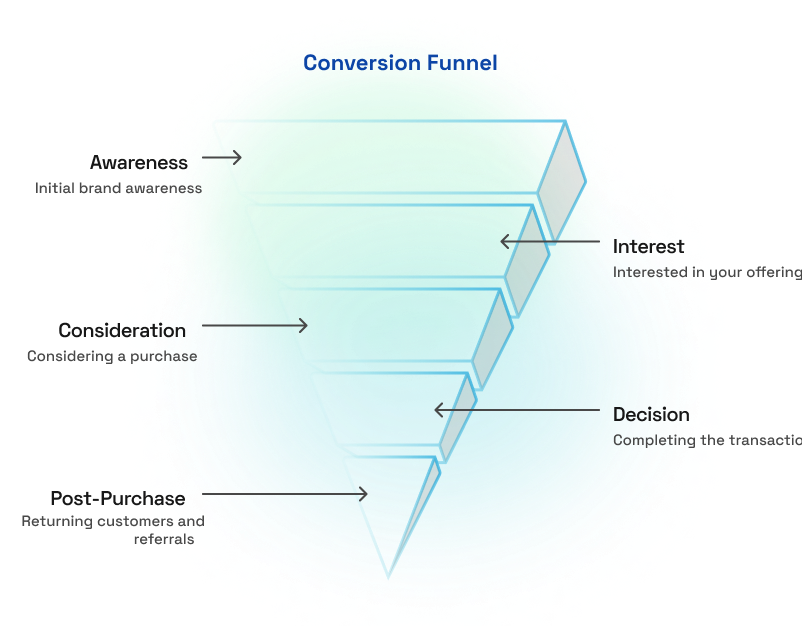
1. Awareness Stage
At the awareness stage, the goal is to introduce your brand or product to a wide audience and capture their attention. This is where people first learn about your existence.
Being where your audience spends their time—whether it is on Instagram, YouTube, or Google—is critical to building awareness.
So, tailor your efforts to meet your audience where they are.
Metrics to Track: Website traffic, ad impressions, and social media reach are key indicators of success.
2. Interest Stage
Once your audience is aware of your brand, the next challenge is to spark and maintain their interest by engaging them with valuable, relevant content.
Netflix does this brilliantly by using algorithms to recommend personalized shows and movies, keeping users engaged and coming back for more.
Engagement is not about bombarding users with information—it is about offering them content that resonates.
Whether it is educational blogs, demo videos, personalized emails, or free trials, tailor your content to their preferences.
Metrics to Track: Click-through rates (CTR), email open rates, and time spent on site reflect how effectively you are maintaining interest.
3. Consideration Stage
At this stage, your prospects are evaluating whether to purchase your product or service. They are comparing options and seeking information to make an informed decision.
Transparency builds trust. Displaying user reviews and case studies demonstrates credibility and reduces hesitation.
Metrics to Track: Downloads of whitepapers, webinar sign-ups, and requests for product demos indicate active consideration.
4. Decision Stage
This is the critical moment where a prospect becomes a customer. The focus here is to make the purchase process as smooth as possible.
A seamless checkout experience—mobile-friendly design, multiple payment options, and minimal form fields—reduces friction and drives conversions.
Metrics to Track: Cart abandonment rates and completed purchases are essential metrics.
5. Post-Purchase Stage
The customer journey does not end with a sale. This stage is about fostering loyalty and turning one-time buyers into repeat customers and brand advocates.
Post-purchase engagement is as important as pre-purchase.
Following up with thank-you emails, personalized offers, and feedback requests shows customers they are valued.
Metrics to Track: Repeat purchase rates, customer lifetime value (CLV), and net promoter score (NPS) measure loyalty and satisfaction.
Now that you are aware of the stages, let us see how and where you can optimize the conversion funnel process.
How to Analyze Your Conversion Funnel?
Analyzing your conversion funnel is vital for identifying opportunities to improve conversion rate optimization (CRO) and customer interactions. By systematically breaking down each stage, you can pinpoint barriers and implement targeted strategies to optimize conversion funnels and customer journeys.
1. Define Clear Conversion Funnel Stages
Whether you follow the classic Awareness, Interest, Consideration, Decision, and Loyalty model or customize it to your business, ensure your framework mirrors your customer's journey.
A clear structure helps teams align on goals and identify weak points. Each stage should have a measurable objective, such as increasing email signups in the Interest stage or reducing cart abandonment in the Decision stage.
Here is how an e-commerce brand could structure its funnel. This allows for precise tracking at each step.
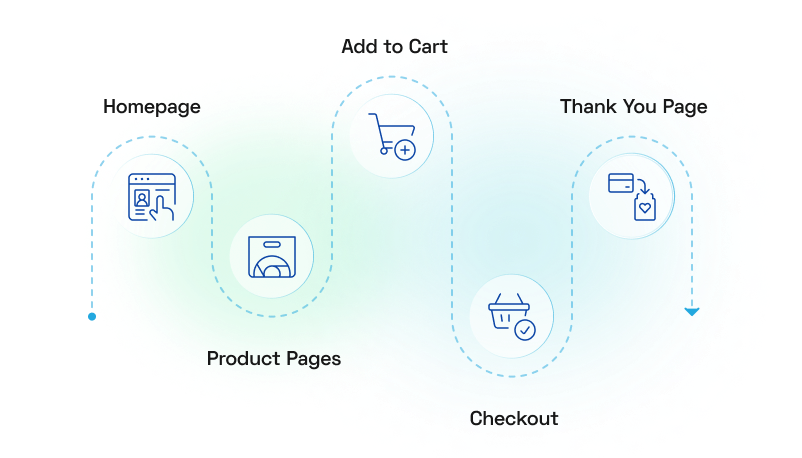
2. Gather Data from Multiple Sources
Collecting data from various platforms like Google Analytics, CRM systems, and customer surveys offers a holistic view of the funnel. This approach helps uncover patterns and behaviors not visible through a single source.
3. Identify and Track Key Metrics
Select KPIs that align with the objectives of each funnel stage. For example:
- Awareness Stage: Website traffic, ad impressions.
- Interest Stage: Email signups, click-through rates.
- Decision Stage: Cart additions, conversion rate.
Do try: Complement quantitative data like conversion rates with qualitative insights like customer satisfaction scores (CSAT) for a complete performance picture.
4. Analyze Conversion Rates at Each Stage
Comparing conversion rates across stages reveals where potential customers drop off. These drop-off points often highlight user frustrations or unclear messaging.
5. Use Funnel Visualization Tools
Tools like Google Analytics, Hotjar, and Mixpanel allow you to map and visualize the customer journey. This makes it easier to spot bottlenecks.
6. Evaluate User Experience (UX)
Users want frictionless experiences. Delays, confusing designs, or excessive steps can derail conversions.
So, assess your website's design, navigation, and overall ease of use. Seamless navigation and clear CTAs significantly impact customer progression through the funnel.
7. Review Content for Relevance
Ensure your messaging aligns with customer pain points and stage-specific needs. Personalization improves engagement and fosters trust.
8. Segment Your Data
Breaking your audience into segments like demographics, purchase history, or behavior provides nuanced customer insights. This allows for more targeted marketing.
9. Test Variations in Messaging and Design
Conduct A/B testing on critical elements like landing page layouts, CTAs, and ad copy to identify what resonates best.
Pro Tip: Test one variable at a time to isolate what drives changes in performance.
10. Continuously Optimize and Track Progress
Optimization is not a one-time task. Regularly analyze performance data, iterate based on insights, and adapt to market trends.
11. Establish Robust Tracking Systems
Set up analytics dashboards to monitor progress. Tools like Kissmetrics help track customer behavior and measure the impact of changes over time.
What Is Conversion Funnel Optimization?
Conversion Funnel Optimization (CFO) is about reducing friction at every touchpoint. It is not just about getting more traffic but ensuring your traffic takes action. Every funnel stage must focus on minimizing drop-offs and creating delightful user experiences. Each stage requires specific conversion funnel optimization strategies to retain attention and move customers further along the journey.
Strategies to Optimize Conversion Funnel
Optimizing your conversion funnel involves fine-tuning each stage to boost the chances of turning leads into loyal customers. Here is how to achieve this effectively, backed by real-world examples, stats, and expert insights.
Customer Persona Development
The better you know your customers, the more precise your targeting will be.
By creating detailed customer personas, businesses can align their efforts to resonate with specific audience segments. Customer personas should evolve with market trends and real-time data.
Here is how you can do it:
- Conduct surveys, interviews, and market research.
- Analyze purchase behavior and engagement metrics from tools like Google Analytics or HubSpot.
- Create 2–5 personas with unique pain points, goals, and preferences.
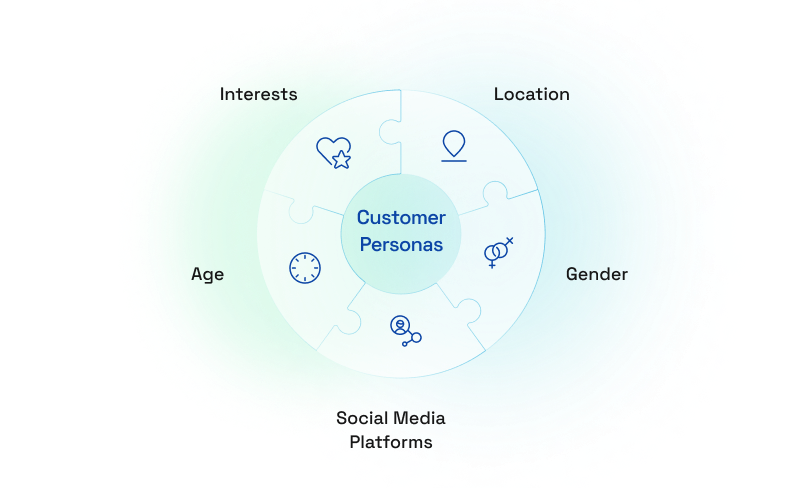
For example, you might segment your audience into personas such as "budget-conscious shoppers" and "premium product seekers." Each group can receive tailored ads and product recommendations that align with their specific needs and preferences.
Personalized Content and Messaging
Personalized experiences can significantly boost engagement and conversion rates. Tailoring messaging to specific audience needs fosters trust and relevancy. In fact, personalized marketing can increase conversion rates by up to 20%.
How to Implement:
- Use dynamic content to show different offers or messages based on user behavior (e.g., cart abandonment emails). For an even smoother user experience, add a QR code to direct visitors instantly to the action— Users can quickly scan the code through their phones or online utilities like the QR code scanner to get going with their tasks.
- Segment audiences by demographics, behavior, or engagement levels.
- Leverage tools like Marketo or ActiveCampaign to automate personalized campaigns.
Optimized Landing Pages
"A cluttered landing page is a conversion killer". Landing pages are often the first touchpoint in the decision-making phase, making their optimization critical.
How to Implement:
- Ensure each landing page has a single, clear CTA (e.g., "Book Now" or "Sign Up").
- Test variations of headlines, layouts, and visuals using A/B testing tools like Optimizely.
- Optimize for mobile, as over 50% of global web traffic is mobile-based.
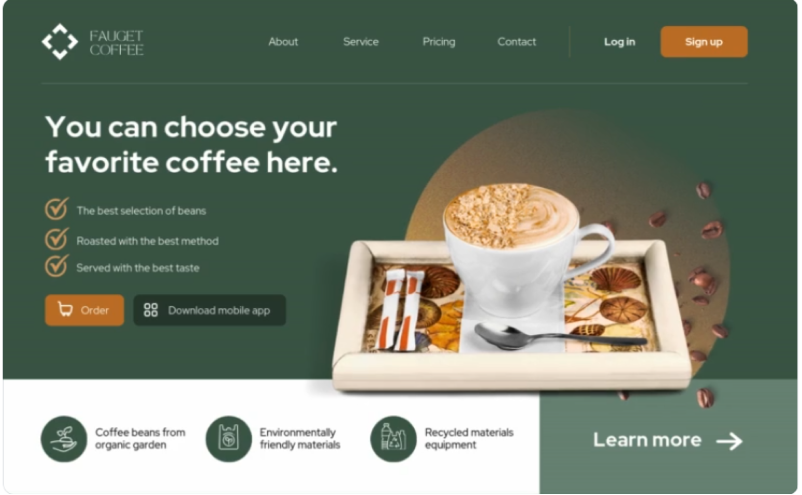
Companies like Airbnb utilize user-generated content for their landing pages, such as reviews and stunning property images, to build credibility and inspire bookings.
Streamlined Conversion Paths
Reducing friction during the conversion process is vital for user retention. Because every additional step in the conversion process is a potential drop-off point.
How to Implement:
- Minimize form fields to the essentials (e.g., email and name).
- Use progress bars to show users how close they are to completing a task.
- Implement auto-fill and error detection features for forms.
No wonder, Amazon makes purchasing seamless with its "1-Click Ordering" option, removing multiple steps from the checkout process.
A/B Testing and Experimentation
Companies conducting frequent A/B testing achieve 3X higher ROI than those that do not. Continuous testing of design, messaging, and user flow can reveal insights that significantly boost performance.
You can test different elements on your website, such as headlines, button colors, or call-to-action placement, to see which combination resonates best with visitors. By tweaking these details, you can create a more engaging experience that encourages customers to take action.
How to Implement:
- Test one variable at a time to isolate its impact (e.g., color of a CTA button).
- Use tools like VWO or Google How to Implement: Optimize for real-time results.
- Iterate based on data, not assumptions.
Marketing Automation and Lead Nurturing
Automation is not just about efficiency—it is about delivering the right message at the right time. Automation tools streamline communication, ensuring leads receive timely, relevant interactions.
Effective lead nurturing goes beyond generic outreach; it is about understanding each lead's unique needs and providing value through tailored communication.
With automation, businesses can improve their lead nurturing strategies, ensuring no lead falls through the cracks while optimizing engagement and conversion rates.
How to Implement:
- Use marketing automation platforms like Pardot or Klaviyo to create workflows triggered by user behavior.
- Segment leads based on engagement levels (e.g., cold, warm, or hot leads).
- Implement lead scoring to prioritize efforts on high-potential customers.
Continuous Monitoring and Optimization
The digital landscape evolves rapidly, making regular analysis and updates a necessity. Brands like Spotify continuously monitor how users interact with their app, using data to refine their recommendation engine and user interface.
How to Implement:
- Set benchmarks and regularly review KPIs like bounce rates, CTRs, and conversion rates.
- Use funnel visualization tools like Hotjar or Crazy Egg to identify drop-offs.
- Conduct quarterly audits of your funnel strategies to stay aligned with market trends.
Effective conversion funnel optimization demands a blend of data-driven insights, real-time monitoring, and customer-centric strategies. By adopting these practices and tools, businesses can create a streamlined customer journey that converts leads into loyal customers while fostering long-term growth.
Top 5 Conversion Funnel Optimization Tools
Google Analytics
Google Analytics is a leading marketing funnel optimization tool for understanding user behavior across your marketing channels. It provides real-time data to predict how users navigate your website and interact with your content. The cross-channel attribution feature allows you to evaluate the effectiveness of various touchpoints, ensuring you understand how each contributes to conversions.
Google Analytics not only tracks website visits but also highlights user pain points. Use the data to create a customer-centric experience.
Kissmetrics
Businesses often miss the importance of understanding the why behind user actions. Tools like Kissmetrics empower you to answer that question. Kissmetrics is one of the top conversion rate optimization tools, offering detailed insights into user behavior.
Kissmetrics goes beyond surface-level analytics, providing deep insights into user behavior. Its cohort analysis helps marketers track user journeys over time, revealing patterns in behavior. Additionally, A/B testing tools let you experiment and refine your strategies for optimal results.
Hubspot
HubSpot is an all-in-one CRM platform that tracks customer lifecycles from awareness to conversion. It provides insights into behavioral trends and facilitates traffic analysis on both website and page levels. This allows marketers to identify top-performing pages and traffic sources for better conversion funnel optimization.
HubSpot's strength lies in unifying marketing, sales, and service data, allowing businesses to identify and act on high-value opportunities.
Hotjar
Hotjar provides essential CRO tools such as heatmaps and screen recordings, offering a visual understanding of how visitors interact with your website. With actionable insights, simple adjustments can be made to enhance conversion rates. These tools help you pinpoint where users drop off, click, or linger, providing actionable insights to improve user experience.
Hotjar is invaluable for diagnosing UX issues. Sometimes a small tweak, like repositioning a CTA, can yield significant results.
Leadpages
Leadpages simplifies landing page creation with drag-and-drop customization and SEO-friendly templates. It also includes features like pop-ups and real-time optimization tips, making it a go-to solution for improving conversion rates.
Leadpages shines in its ability to combine design simplicity with performance. It is ideal for small businesses looking to create high-converting pages without a steep learning curve.
Whether it is tracking user behavior with Google Analytics, diving into detailed segmentation with Kissmetrics, or creating high-converting pages with Leadpages, each tool helps bridge the gap between strategy and execution. By leveraging these tools with actionable insights and continuous experimentation, businesses can significantly enhance their customer journey and boost conversions.
Conclusion
Optimizing your conversion funnel is not just about boosting numbers—it is about creating meaningful customer experiences that build trust and loyalty. By refining every stage of the funnel, from awareness to post-purchase, you can eliminate friction, enhance engagement, and maximize conversions.
Remember, the journey to an optimized funnel is iterative. Analyze your data, experiment with strategies, and adapt to your audience's evolving needs. Each tweak brings you closer to creating a seamless, effective funnel that converts leads into loyal advocates.
Ram Prabhakar
Head of Solutions and Content
Xtelligence Inbox.
Your weekly dose of marketing smarts!
Related Posts


Campaigns
Exclude and Rule - 11 Exclusion Segments to hone your Customer Segmentation Strategy