

Cloud Re-architecture: A Catalyst for Collaboration—How to Break down Silos and Foster Innovation across the Enterprise
Authored by Ram Prabhakar
Published: April 18, 2024 | Updated: July 14, 2025
Introduction
Gone are the days when siloed departments and isolated teams could thrive. The modern business ecosystem demands agility, adaptability, and a constant stream of innovative ideas to stay ahead of the competition. The ability to collaborate effectively and generate fresh ideas is a critical differentiator for enterprises of all sizes. Xerago sees collaboration as the key that enables teams to leverage diverse perspectives, pool resources, and co-create solutions that address complex challenges efficiently. However, many organizations struggle with departmental isolation, where data and expertise are siloed, hindering communication and stifling creativity.
Cloud re-architecture emerges as a powerful solution for enterprises to break down silos and foster innovation and collaboration. By the year 2025, it is anticipated that 85% of companies will adopt a cloud-first approach, as per research conducted by Gartner analysts. By centralizing data and applications in the cloud, organizations can break down these silos and foster a collaborative environment. This fosters a shared understanding across departments, enabling teams to work together seamlessly towards common goals. In light of these realities, it's clear that adopting cloud re-architecture is the key to realizing a company's full potential, and it is not just a choice.
Silos in Enterprises: How it is Holding You Back?
Silos in enterprises manifest in various forms, from departmental silos to data silos to technology silos, hindering communication, collaboration, and efficiency. The presence of these silos in enterprises leads to several detrimental consequences:
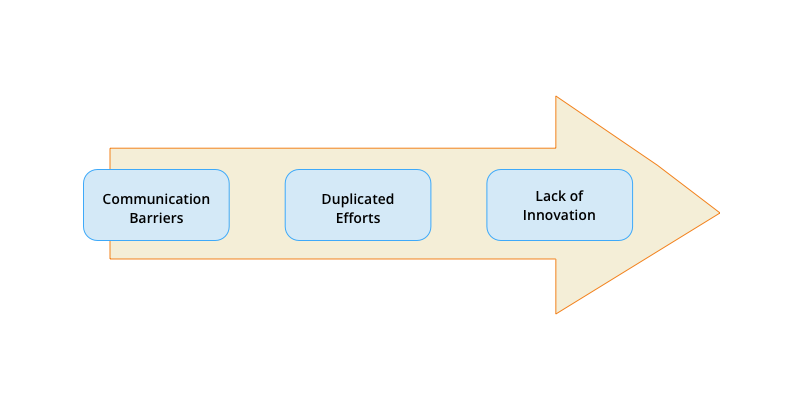
- Communication Barriers: Silos create communication barriers between departments, inhibiting the exchange of information and collaboration. This lack of communication will result in misunderstandings, delays, and inefficiencies in decision-making processes.
- Duplicated Efforts: Siloed departments often duplicate efforts or reinvent the wheel due to a lack of visibility into each other's activities. This duplication of work wastes time, resources, and energy, impeding productivity and hindering progress.
- Lack of Innovation: Silos stifle innovation by limiting cross-functional collaboration and knowledge sharing. Without access to diverse perspectives and expertise from different departments, your organization will struggle to generate innovative ideas and solutions to address evolving market demands.
Challenges in Breaking Down Silos Within Traditional Enterprise Structures
Breaking down silos within traditional enterprise structures presents several challenges:
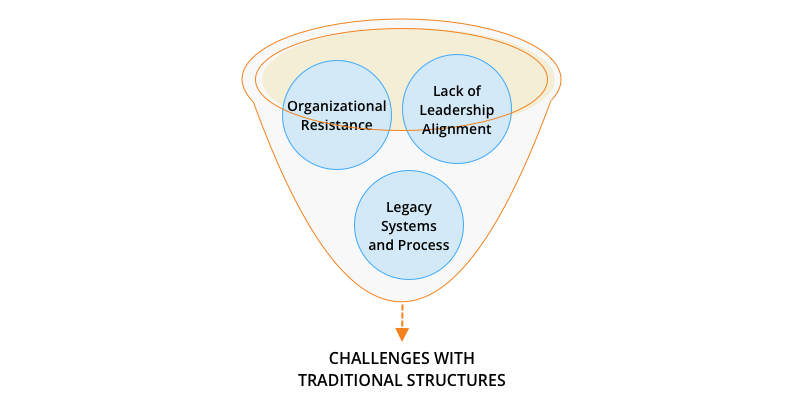
- Organizational Resistance: Employees may resist efforts to break down silos due to entrenched departmental hierarchies, turf wars, and a fear of change. Overcoming this resistance requires strong leadership, effective communication, and a culture that values collaboration and teamwork.
- Legacy Systems and Processes: Legacy systems and outdated processes often reinforce silos by limiting interoperability and data sharing. Modernizing these systems and streamlining processes is essential for enabling seamless integration and collaboration across the enterprise.
- Lack of Leadership Alignment: Siloed structures often result from a lack of alignment among senior leadership regarding organizational goals and priorities. Achieving alignment requires clear communication, shared vision, and collaborative decision-making at the executive level.
In simple words, understanding the nature and consequences of silos in enterprises is crucial for identifying opportunities to break down these barriers and foster a culture of collaboration and innovation. Despite the challenges involved, addressing silos is essential for driving organizational agility, competitiveness, and long-term success in today's interconnected business environment.
Cloud to the Rescue: How Re-architecture Breaks Down Silos and Boosts Collaboration
Cloud re-architecture serves as a transformative solution to address silo-related challenges within enterprises. Here are five comprehensive ways how cloud re-architecture tackles these issues:
Centralization of Data and Applications:
Cloud re-architecture involves centralizing data and applications in the cloud, eliminating the fragmentation typically associated with siloed systems. By consolidating data storage and application deployment in a centralized environment, cloud re-architecture breaks down data silos and enables seamless access to information across departments and business units.
Integration and Interoperability:
Cloud re-architecture facilitates integration and interoperability between disparate systems and applications, overcoming the technological silos that inhibit communication and collaboration. Through the use of cloud-native technologies and APIs, you can seamlessly connect different systems and enable data exchange in real-time, regardless of the underlying technology stack.
Scalability and Flexibility:
With cloud-based solutions, you can quickly provision resources, deploy new applications, and scale up or down based on demand, without the constraints imposed by traditional on-premises infrastructure. This scalability and flexibility enable organizations to respond rapidly to market opportunities, collaborate more effectively, and innovate at a faster pace.
Collaborative Tools and Workflows:
Cloud re-architecture leverages collaborative tools and workflows that promote cross-functional collaboration and communication. These collaborative tools enable seamless communication, real-time collaboration, and transparent project management, fostering a culture of collaboration and innovation within the enterprise.
Thinking outside the Silo: How cloud Re-architecture Fuels Enterprise Innovation
At Xerago, we firmly believe cloud re-architecture is a game-changer for innovation. It empowers enterprise organizations to break free from traditional limitations and unlock their full potential in today's fast-paced business environment. Here's how:
Experimentation Sandbox:
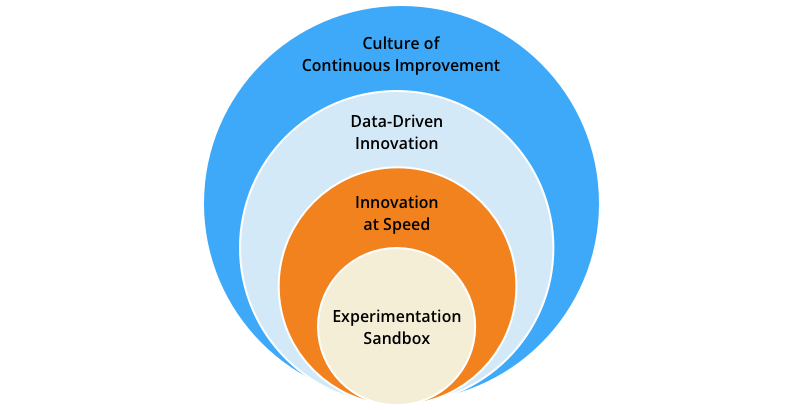
Cloud re-architecture creates a safe space for experimentation. With readily available cloud resources, teams will be able to build test environments ("sandboxes") to prototype, test, and refine new ideas quickly and cost-effectively. This fosters a culture that embraces exploration, calculated risks, and creative problem-solving, leading to breakthrough solutions.
Innovation at Speed:
Cloud re-architecture streamlines the development process. Cloud-based tools and infrastructure automation allow teams to rapidly set up new environments, deploy code changes, and iterate on prototypes. This agile approach to development lets teams gather feedback early and often, continuously improve their solutions, and deliver value to customers faster.
Data-Driven Innovation:
Cloud re-architecture unlocks the power of data for innovation. By centralizing data and leveraging cloud analytics platforms, you can analyze vast amounts of information in real-time, gain valuable insights, and make data-driven decisions. These insights inform product development, customer experiences, and business strategies and will help you innovate and stand out in the marketplace.
A Culture of Continuous Improvement:
Cloud re-architecture fosters a culture where innovation and continuous improvement are the norm. By adopting DevOps practices and agile methodologies, you can optimize processes, automate workflows, and boost efficiency across the board. This culture encourages experimentation, learning from setbacks, and rapid adaptation to change, ultimately driving continuous innovation and business growth.
Beyond Migration: Why Modernization and Re-architecture Deliver More
For enterprise and mid-market companies, the decision between migration and re-architecture is depending on your own goals and priorities. But on the context of organization's innovation and collaboration, we assert that re-architecture and modernization hold the key and here's why:
A. Migration Limitations in Addressing Underlying Silos and Legacy Systems
Migration, although a quick fix, fails to grapple with the deeper issues entrenched within organizational structures. It merely shifts existing systems to the cloud, neglecting the complexities of underlying silos and legacy systems. However, true transformation necessitates confronting these systemic challenges head-on. Re-architecture offers a holistic approach, enabling you to dismantle silos, revamp legacy systems, and lay a foundation for collaborative innovation. By addressing these fundamental issues, re-architecture paves the way for sustainable growth and resilience in an ever-evolving digital landscape.
B. Re-architecture's Ability to Redesign Processes for Collaboration and Innovation
Re-architecture is not merely about relocating applications; it's about reimagining workflows, redesigning systems, and fostering a culture of collaboration and innovation. By embracing re-architecture, you can architect your future, leveraging cloud-native technologies to empower teams, streamline operations, and drive meaningful change. This strategic approach lays the groundwork for transformative breakthroughs and can position your organizations as pioneers in your respective industries.
C. Modernization's Focus on Future-Proofing and Agility in a Rapidly Changing Landscape
While migration offers short-term gains, it falls short in preparing you for the unpredictable challenges of tomorrow. Modernization, however, is rooted in foresight and agility. It's about future-proofing operations, building resilient infrastructure, and embracing change as an opportunity for growth. By modernizing your systems and processes, you can stay ahead of the curve, seize new opportunities, and navigate the complexities of a rapidly changing landscape with confidence.
In a nutshell,
Cloud re-architecture is not just about modernizing infrastructure—it's about unleashing innovation and driving transformation within organizations. By creating an environment conducive to experimentation, leveraging data insights, and encouraging a culture of continuous improvement, cloud re-architecture can empower your organization to innovate boldly, adapt to change, and thrive in the digital age. With digital landscape evolving at an unprecedented pace, those who remain stagnant risk being left behind. It's time to shed the shackles of the past, embrace the possibilities of the future, and embark on a journey of digital reinvention.
Looking ahead, the future of collaborative enterprise ecosystems holds immense promise and potential. As organizations continue to embrace cloud re-architecture and cultivate cultures of collaboration, we envision a future where boundaries dissolve, silos crumble, and innovation becomes the vital component of every enterprise. By utilizing the collective wisdom of varied teams, leveraging cutting-edge technologies, and fostering a spirit of continuous improvement, you can steer towards long-term success in the digital age.


Global Office Locations


#901, 9th Floor , Ellora Fiesta.
Plot No - 8 , Sector - 11 , Sanpada.
Opp. Juinagar Rly Station.
Navi Mumbai – 400 705

Xerago Towers, Plot 80 & 93,
Industrial Estate, Perungudi,
Chennai, Tamil Nadu - 600096
Office No. 26, 10/F, Beverley Commercial Centre,
87-105 Chatham Road South, Tsim Sha Tsui, Kowloon,
Hong Kong